








Classroom Displays
Empower teachers and enable improved learning with the latest classroom displays, backed by people who understand education and stay with you long after the installation
Explore
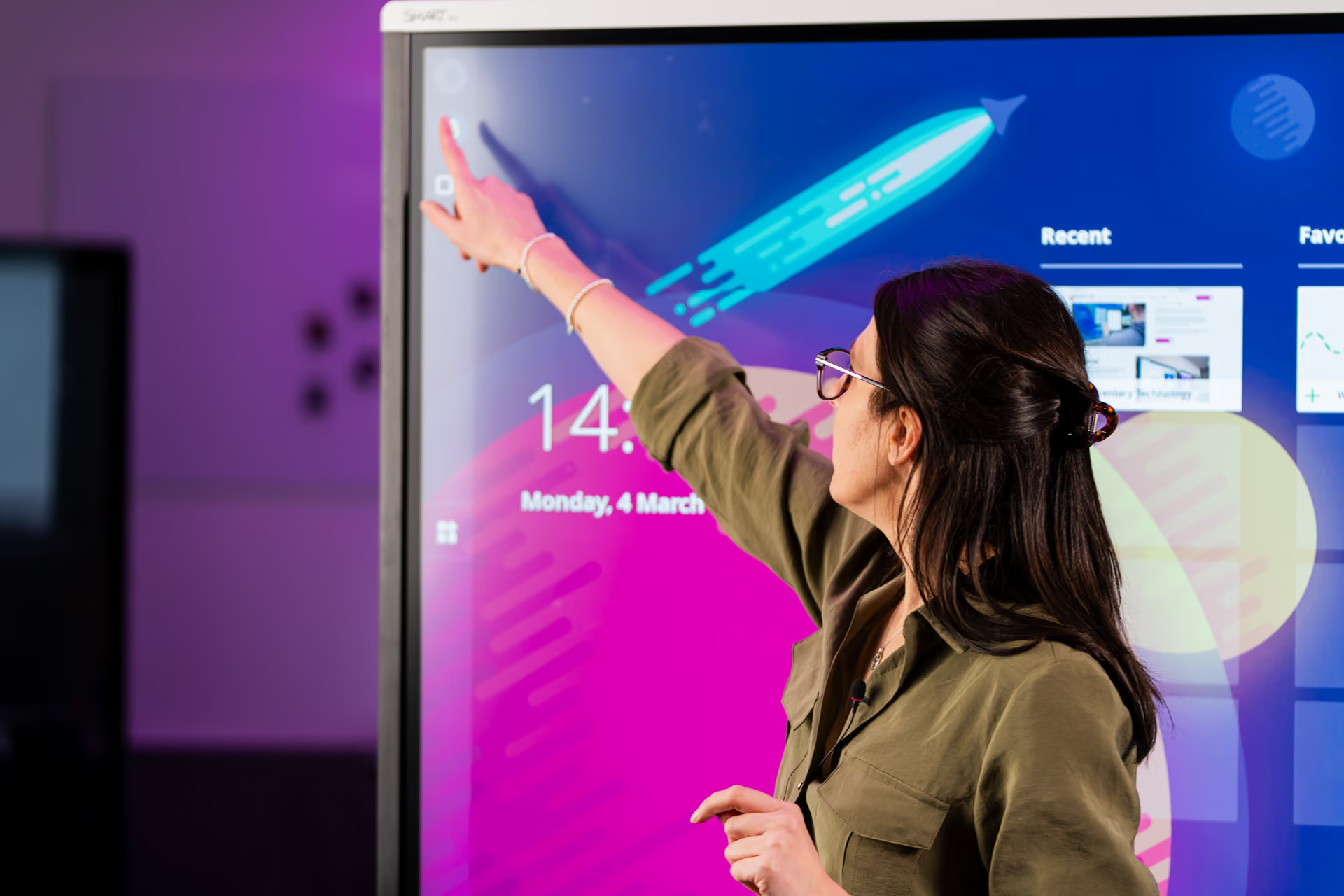
How good classroom displays help
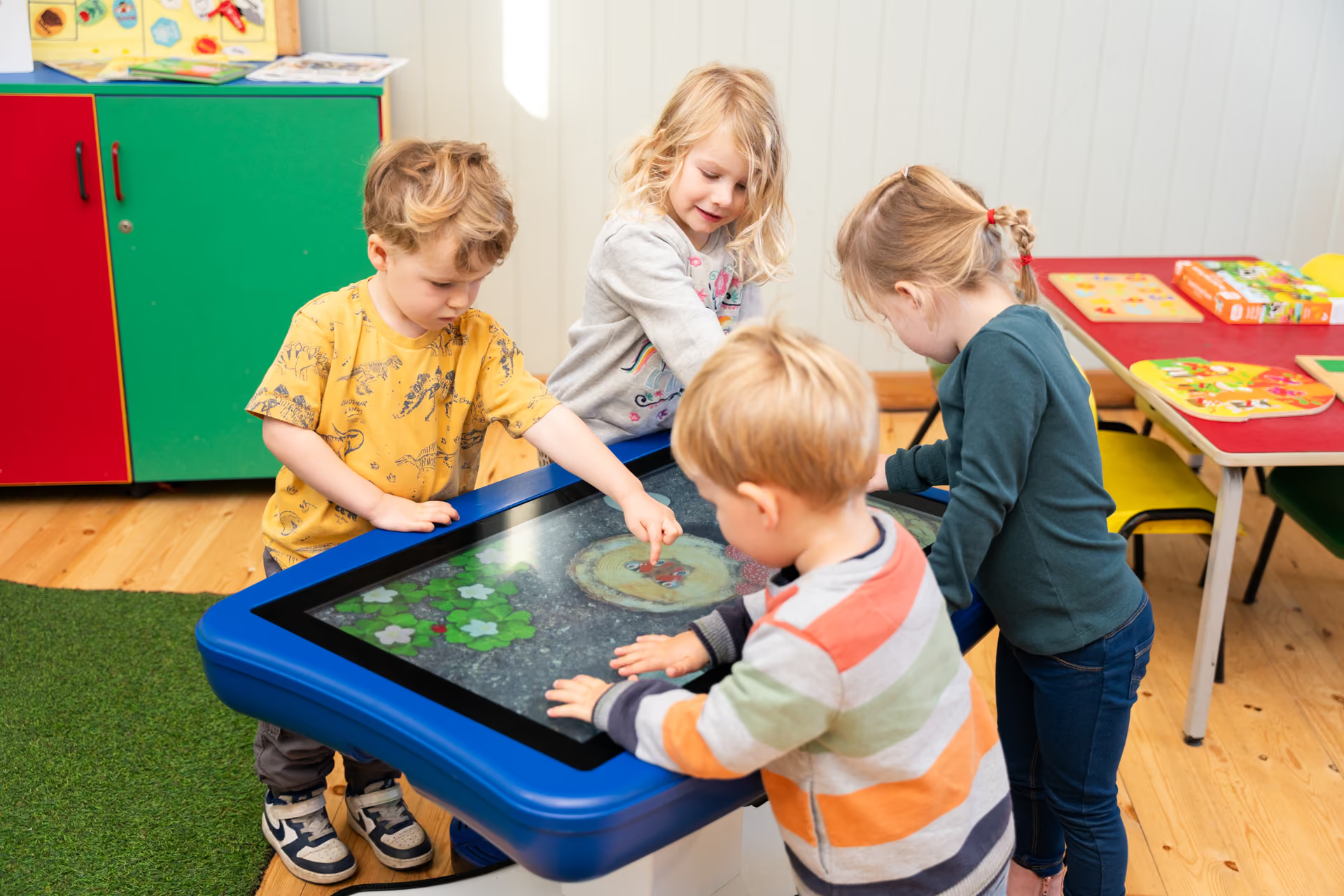
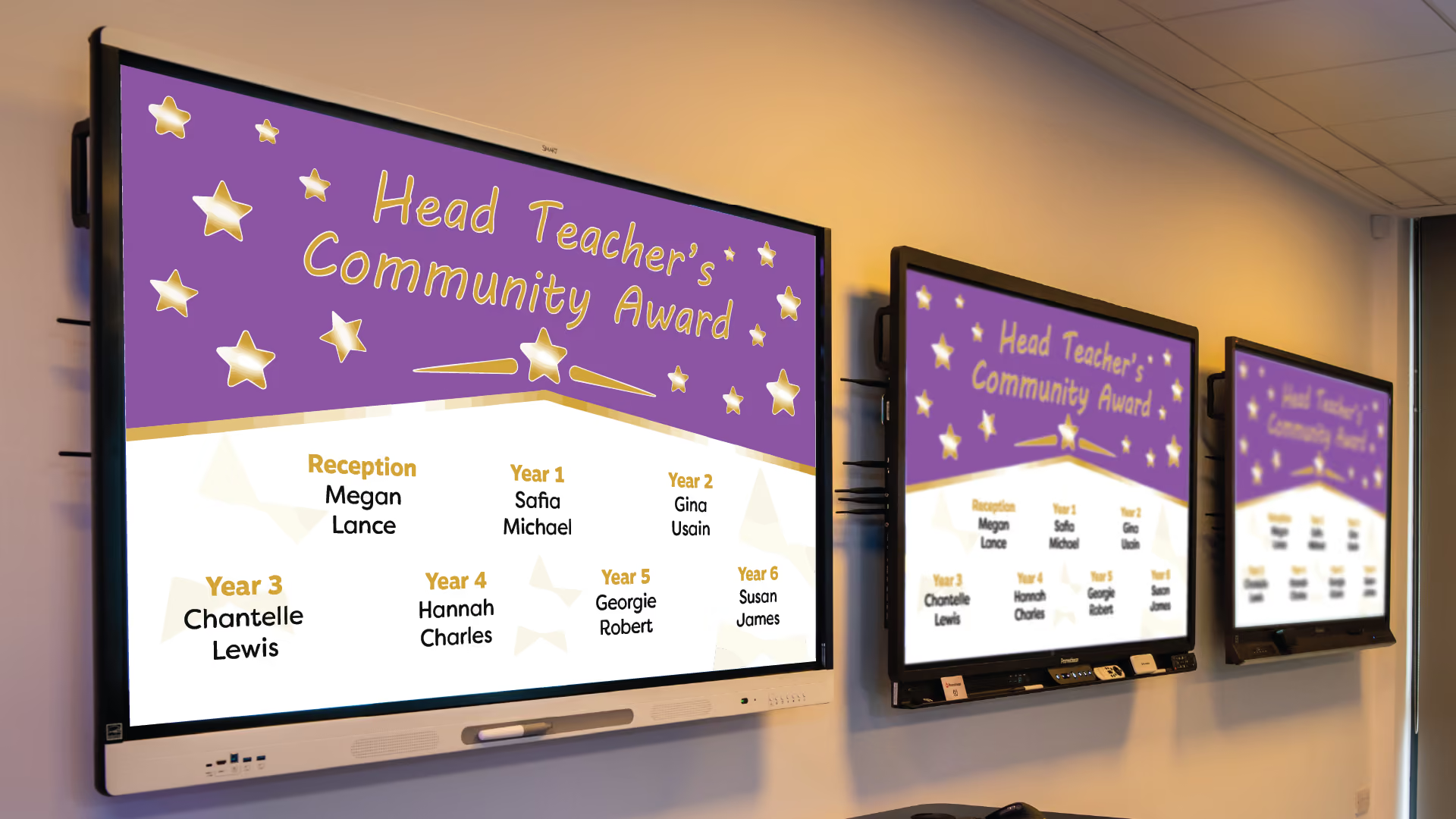
More engaged classrooms - Focus pupils' attention, amplify the teacher’s lesson, add a new dimension to pupil devices, and allow learning to meet each child where they are.
A lighter workload for teachers - Live assessment and feedback tools show who is understanding as it happens, so there is less marking and more progress.
Simpler IT management - Remote monitoring, support functions and updates are handled from one place, with fewer tickets.
Training and software support - Your staff feel confident from day one, and you see the impact on learning.
Lower energy and running costs - Modern displays can use less than half the energy than older classroom technology
Book a demo
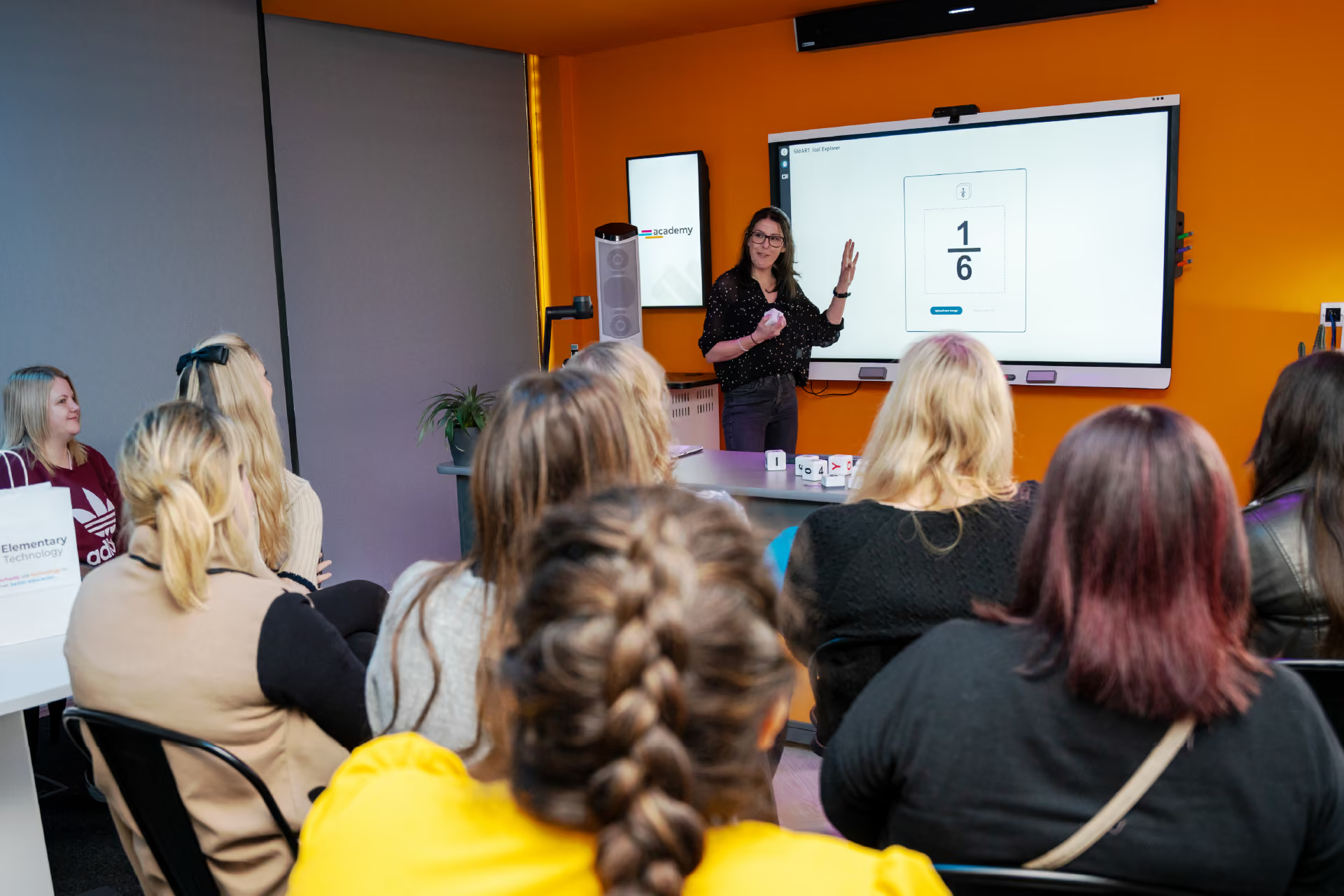
Everyone in any school benefits
Signs it’s time to review
Recognise any of these? A Classroom Healthcheck® can help you plan your next steps.
Your classroom display is the most widely-used tool for learning.
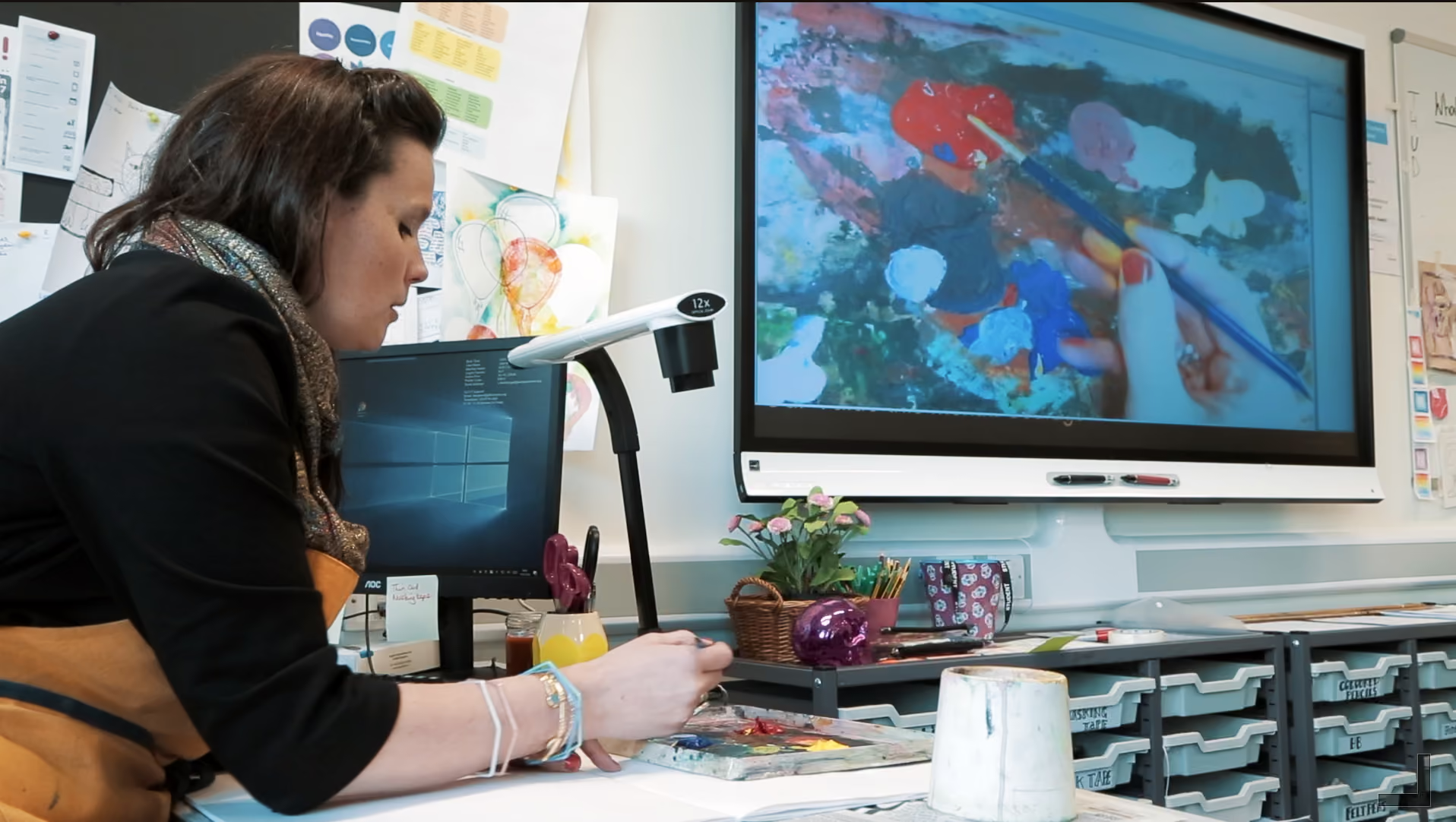
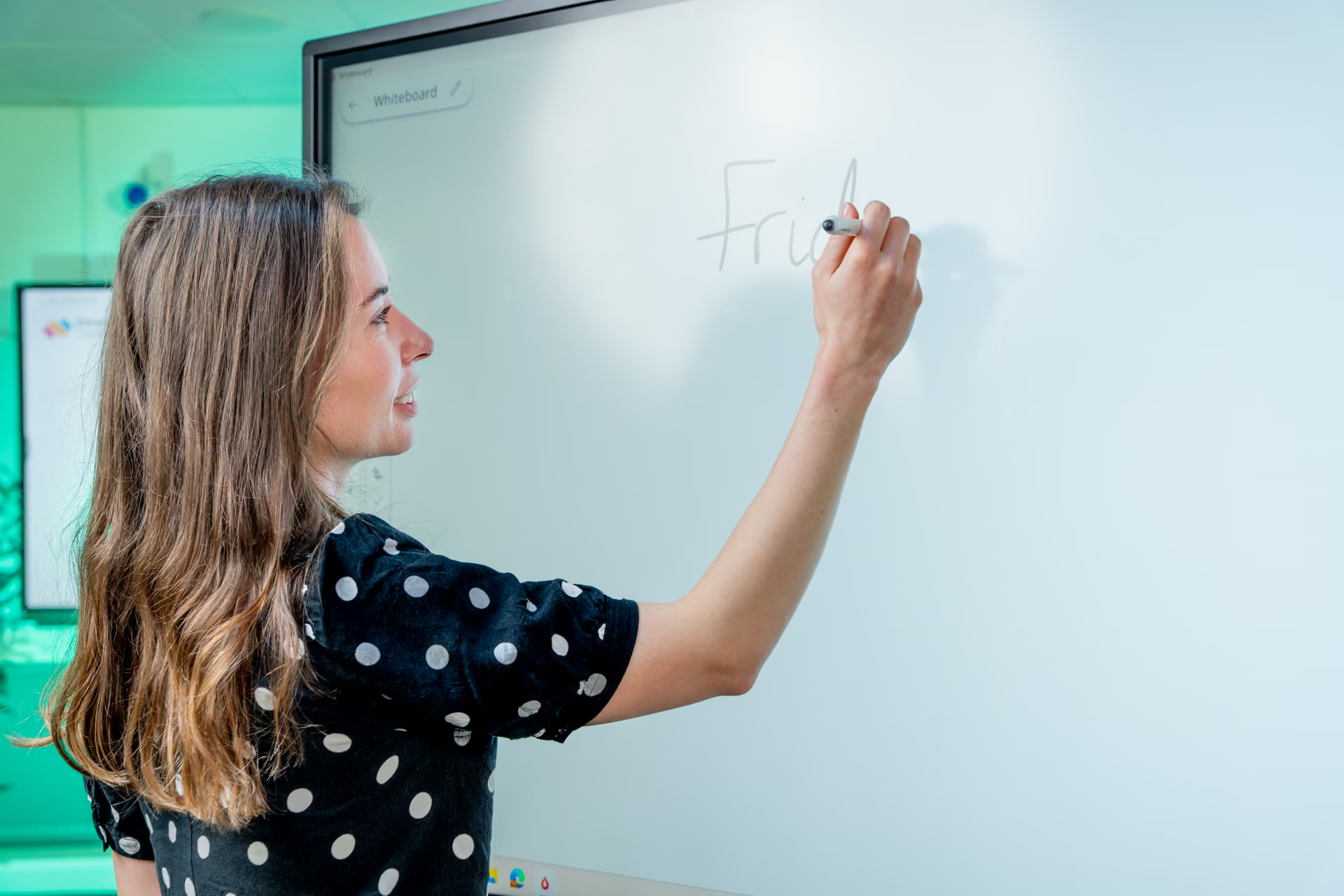
Supporting their voice and their knowledge, it is the teacher's main instrument to focus minds and share information. When used well, it changes the dynamic of the whole room.
We are a leading innovator in supply of classroom displays, upgrading thousands of classrooms each year. We stay with you through planning, choosing, buying and training. Get in touch and let's talk about what your classrooms need.
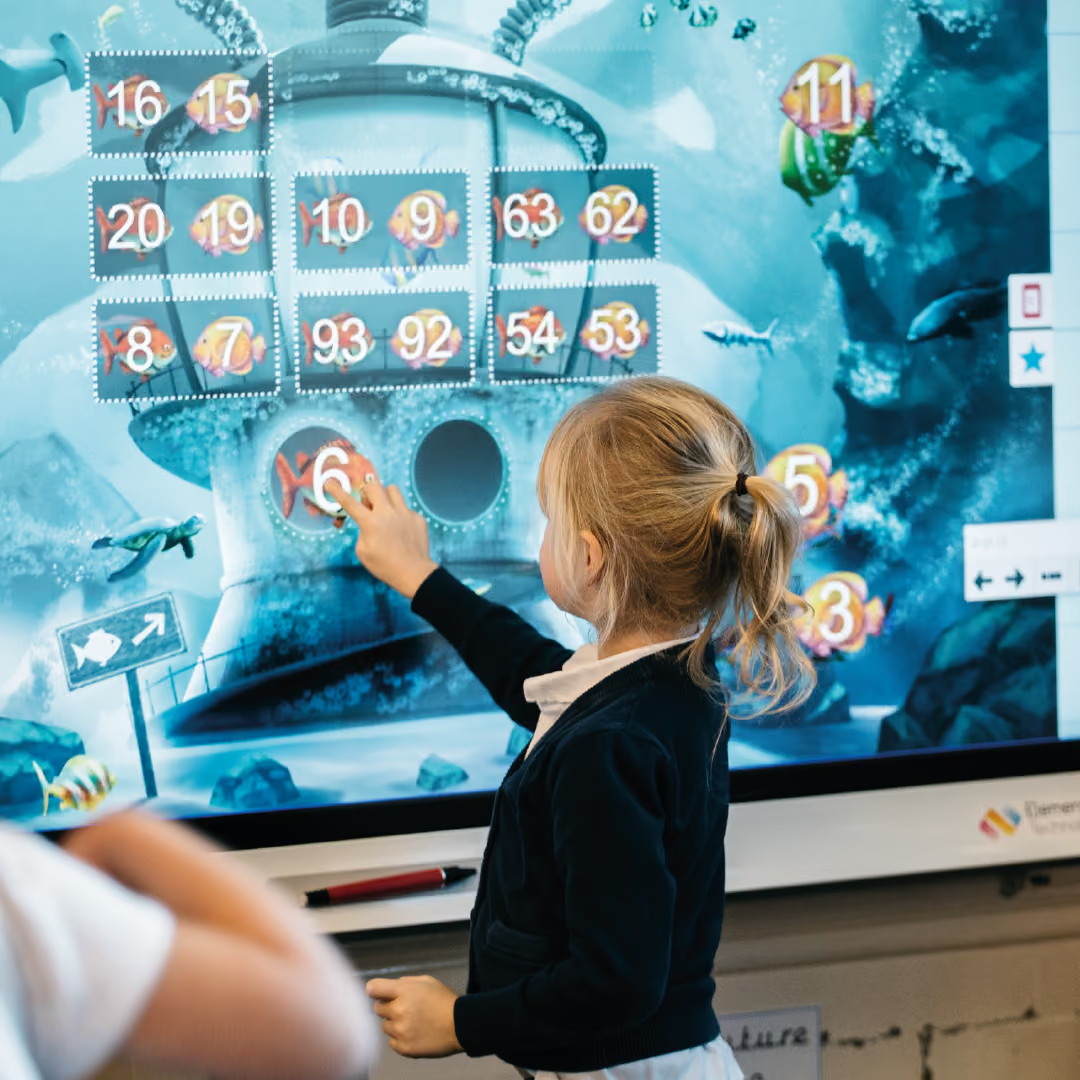
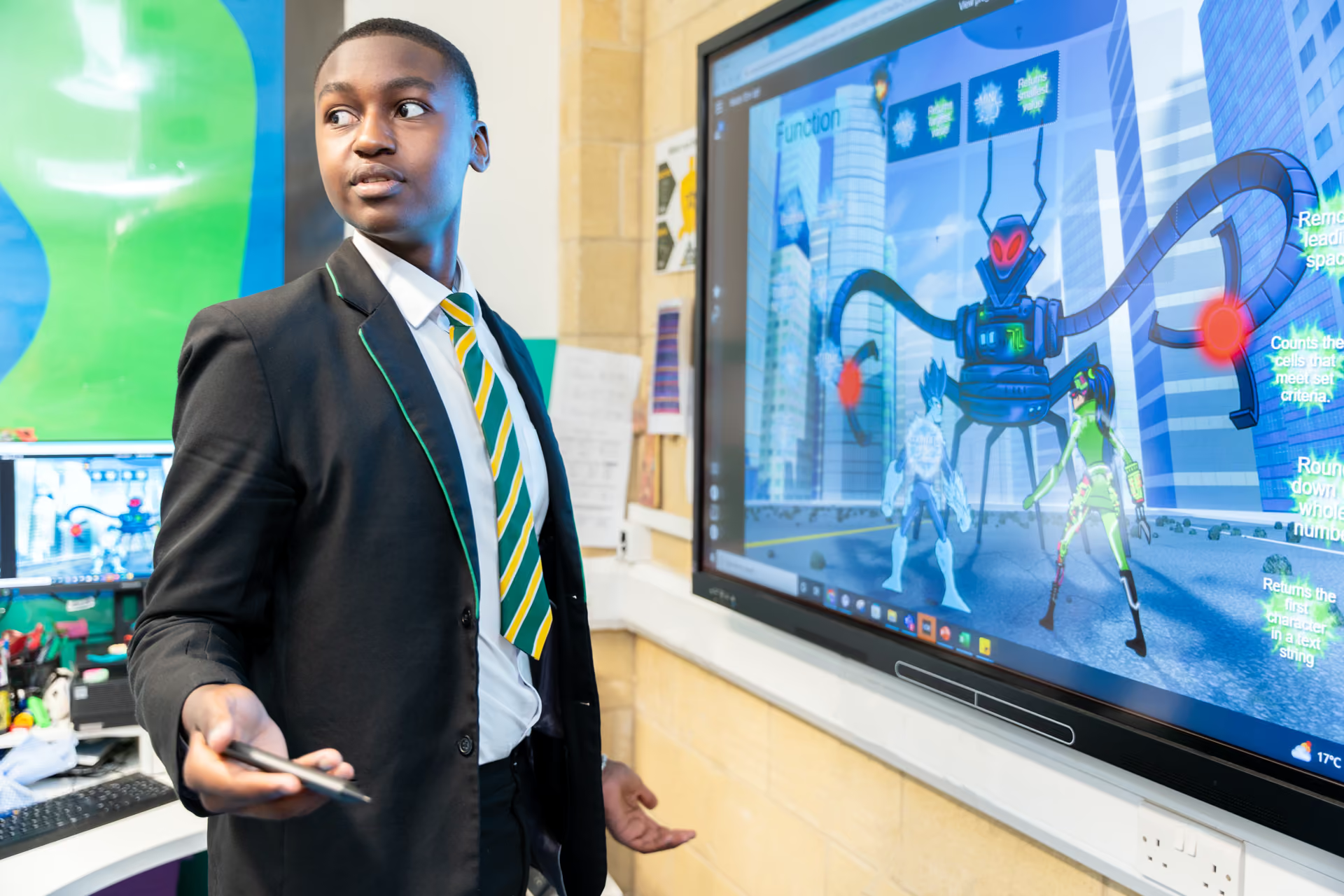
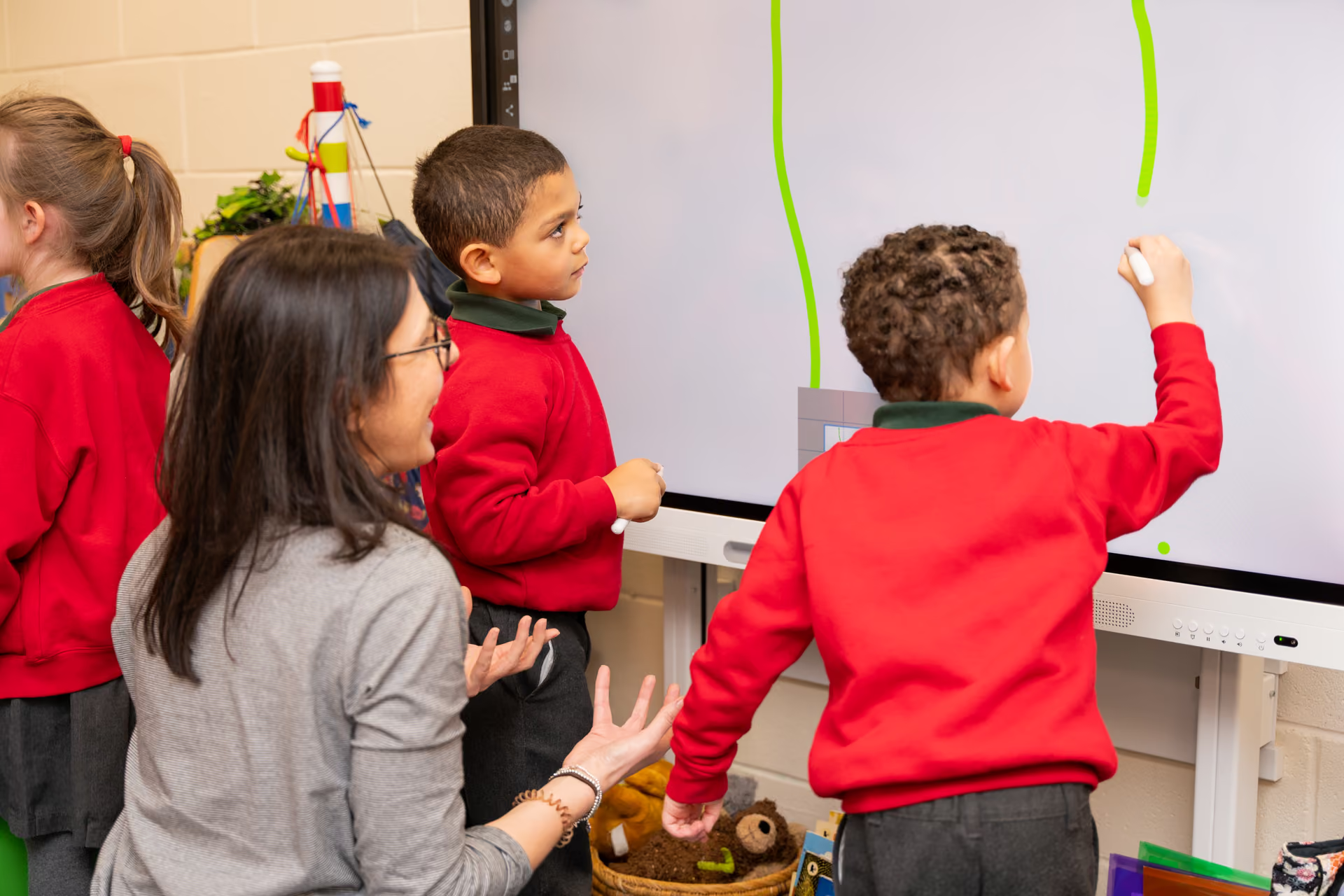
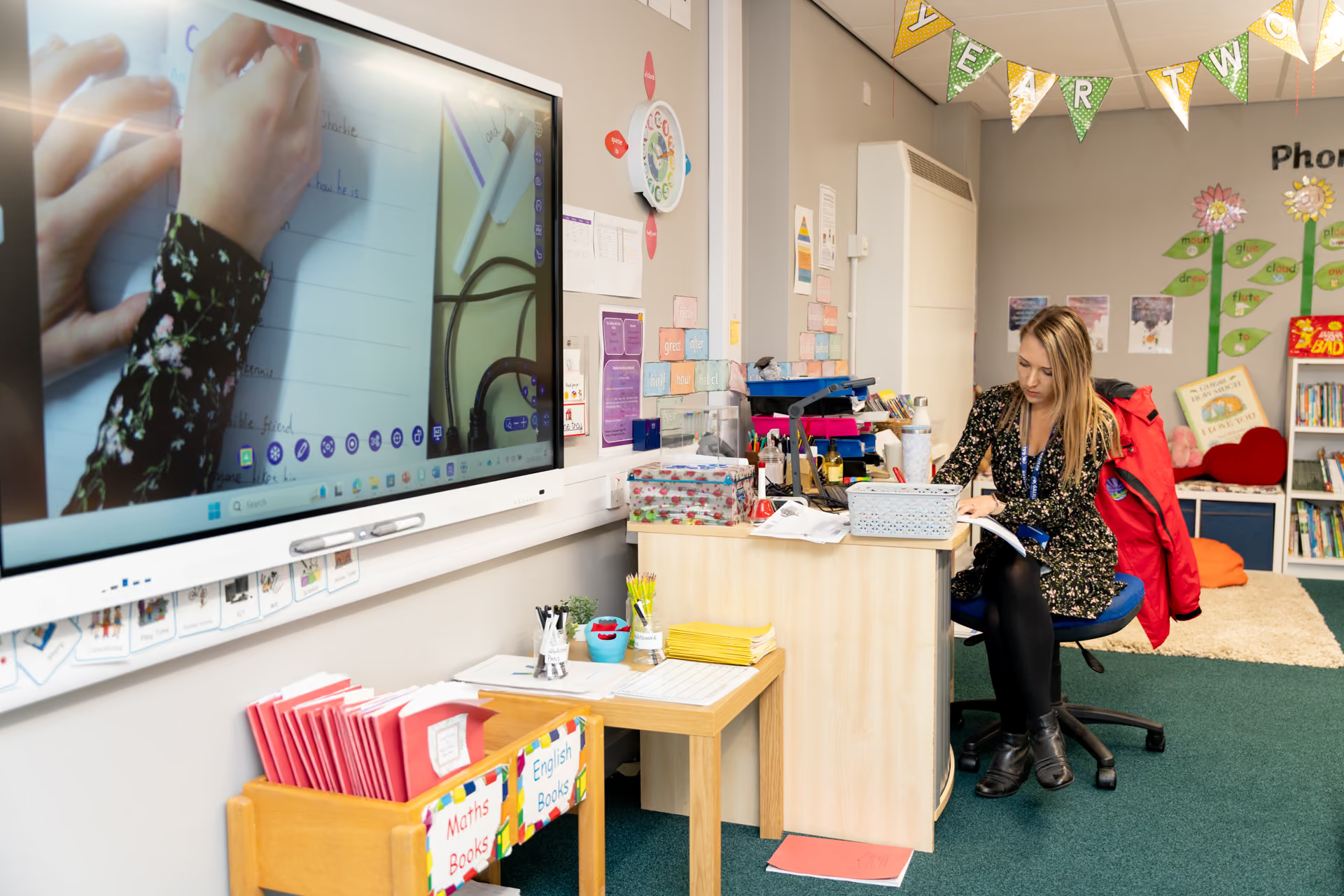
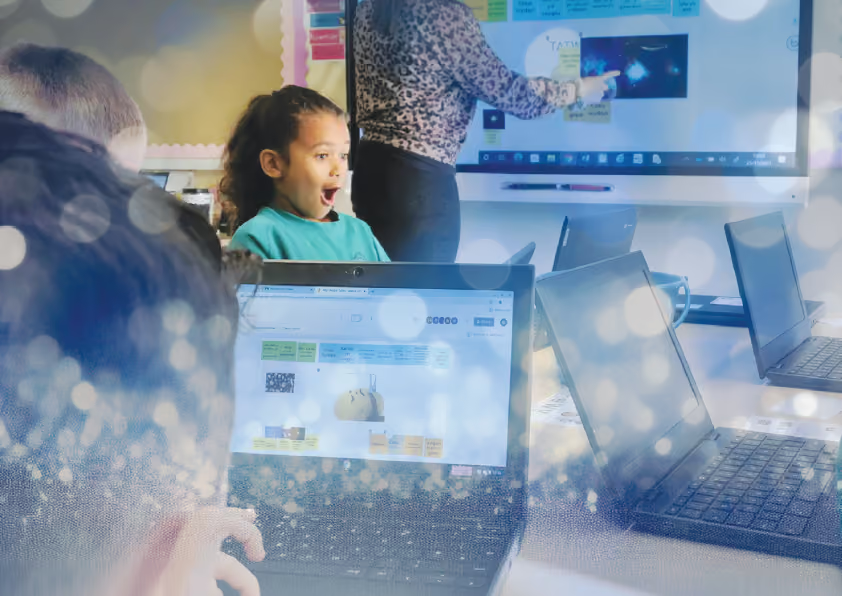
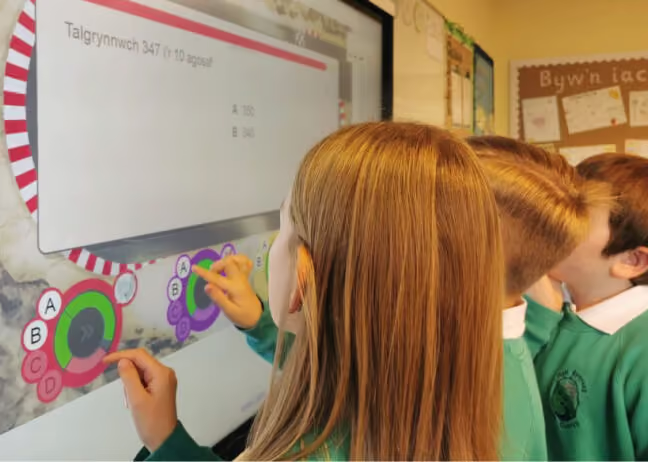
Pupils' eyes light up during an interactive times tables assessment, versus what can be a standard approach to using worksheets. Lessons can adapt to each pupil's ability, and live checks on understanding let teachers step in exactly where help is needed, instead of marking over lunchtime or in the evening.
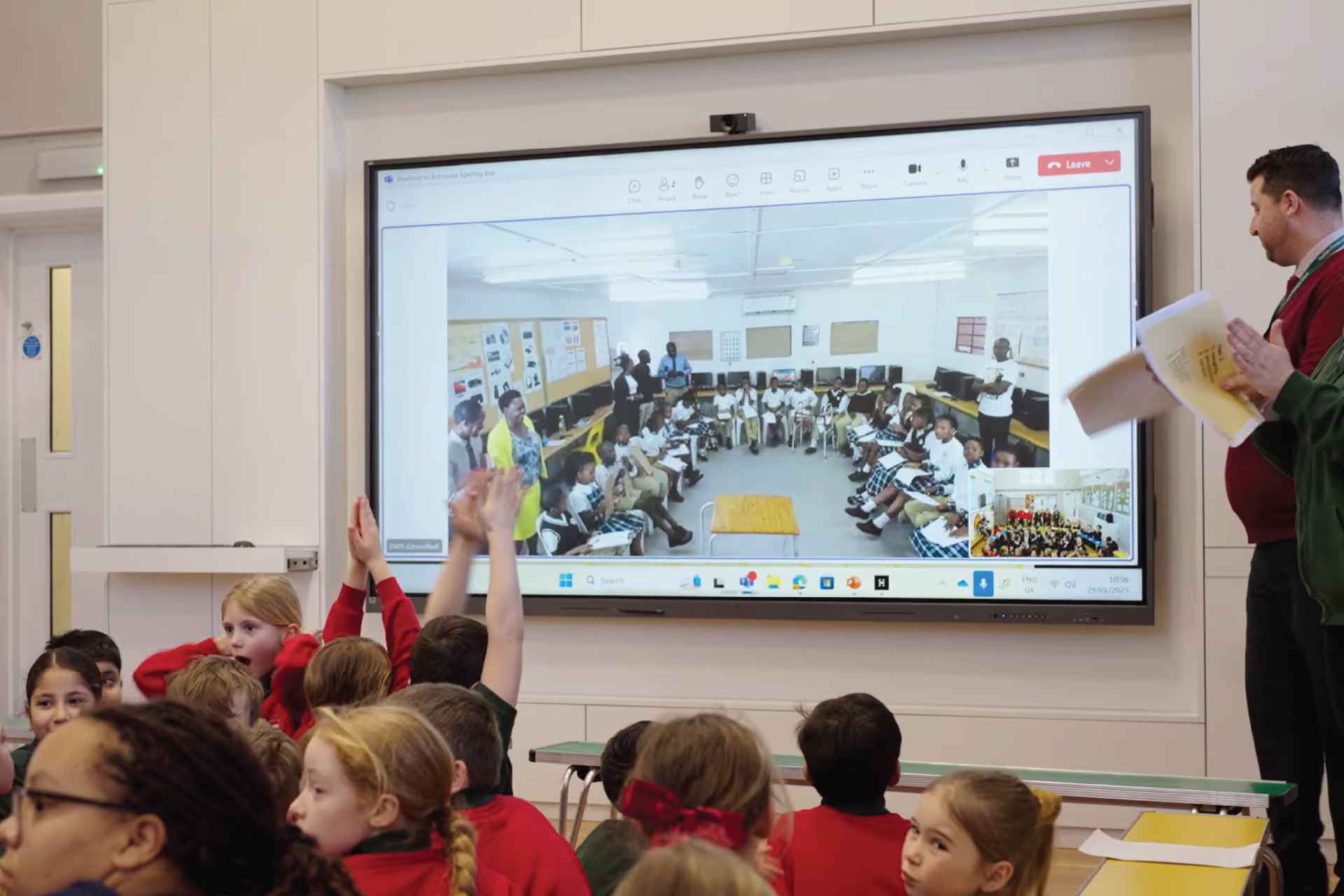
The display, with well-specified audio, also opens the classroom up: a specialist MFL teacher can speak to the whole school, or a children's author can join a lesson for a whole-class conversation.
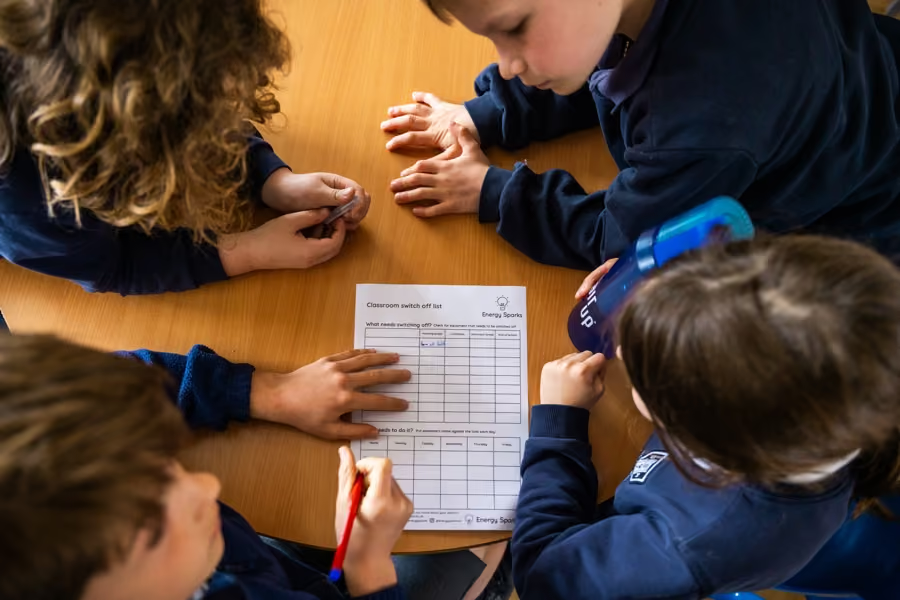
Your IT team can manage everything remotely, from installing apps and running upgrades to setting automatic switch-off times that cut energy costs.
Classroom Displays – the independent guide
Make a fully-informed choice for everyone in education
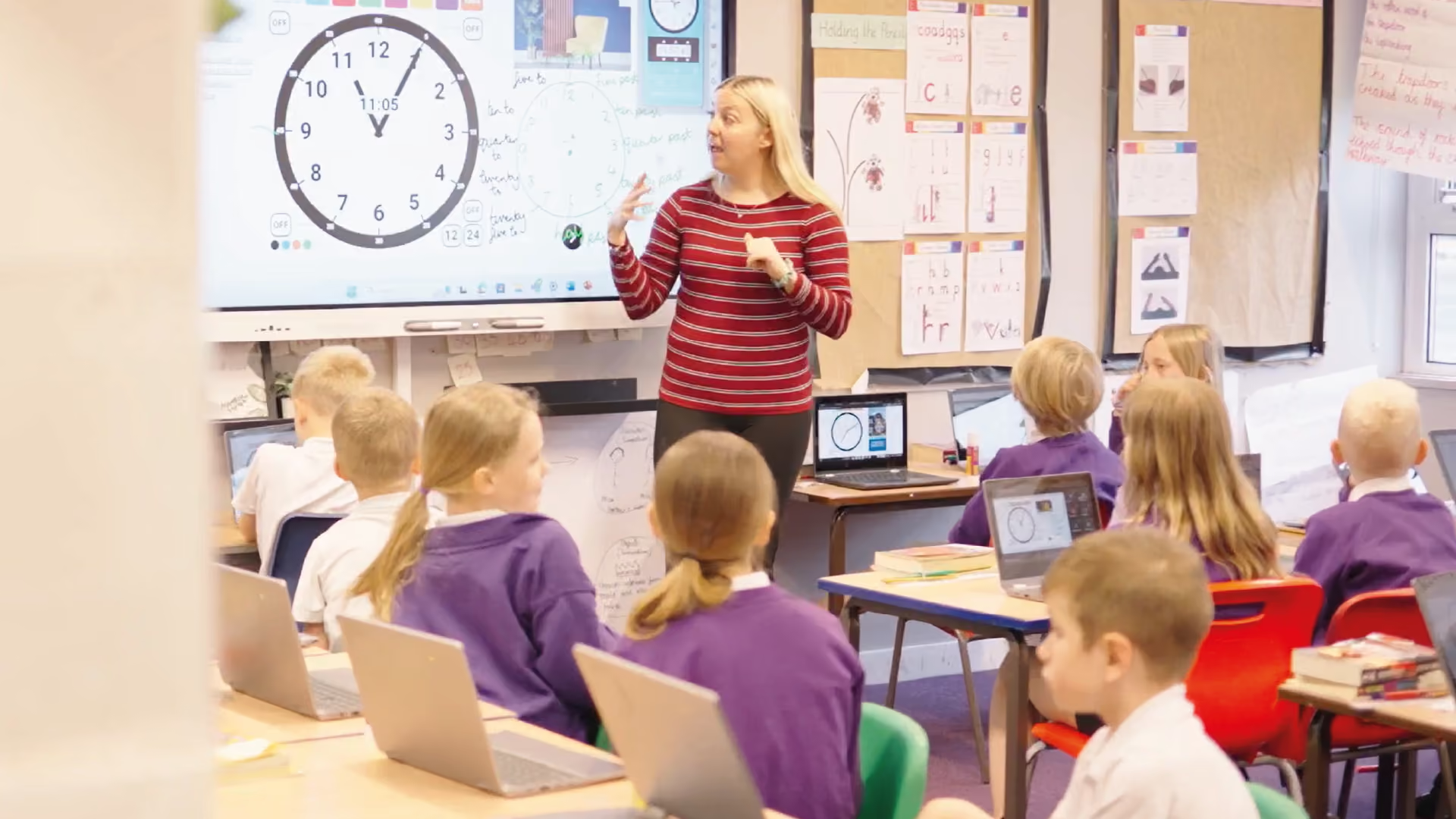
Considerations
People, costs, energy compatibility, cybersecurity
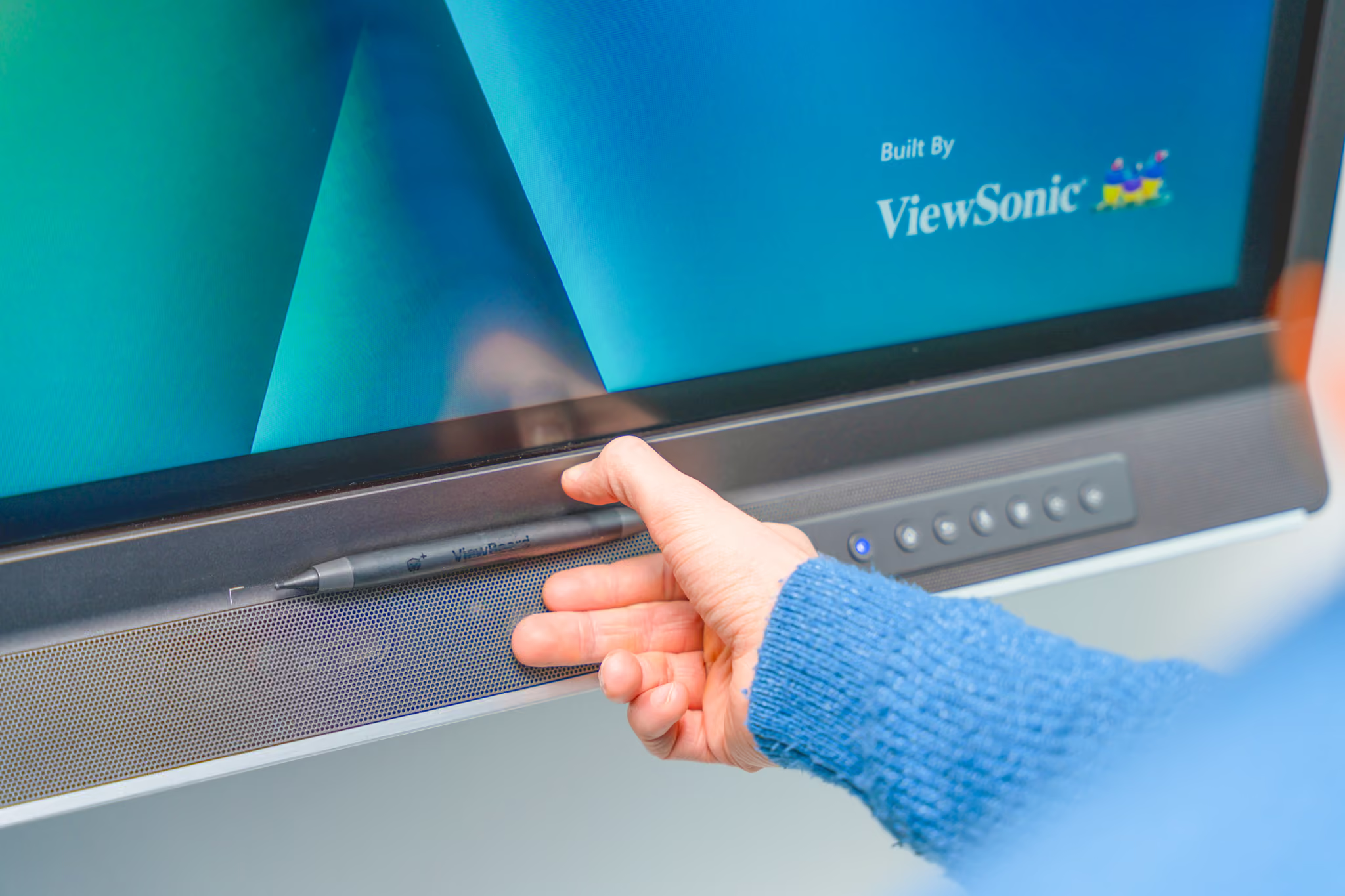
Specifications
What do they mean, which are important and why
Impact
Discover what's possible, and then how to make it happen
Our evidence -informed roadmap
We have supplied dozens of schools, from small primary schools to whole-trust projects, and we have worked with schools since 2003.
We listen first. We start with your site, your requirements and your budget.
You see the optionsand cost early. An indicative cost comes before any commitment.
We visit your site. That is how we get the design and installation right first time. We install, support and advise. That includes professional advice on lockdown policy, Martyn's Law and DfE requirements.
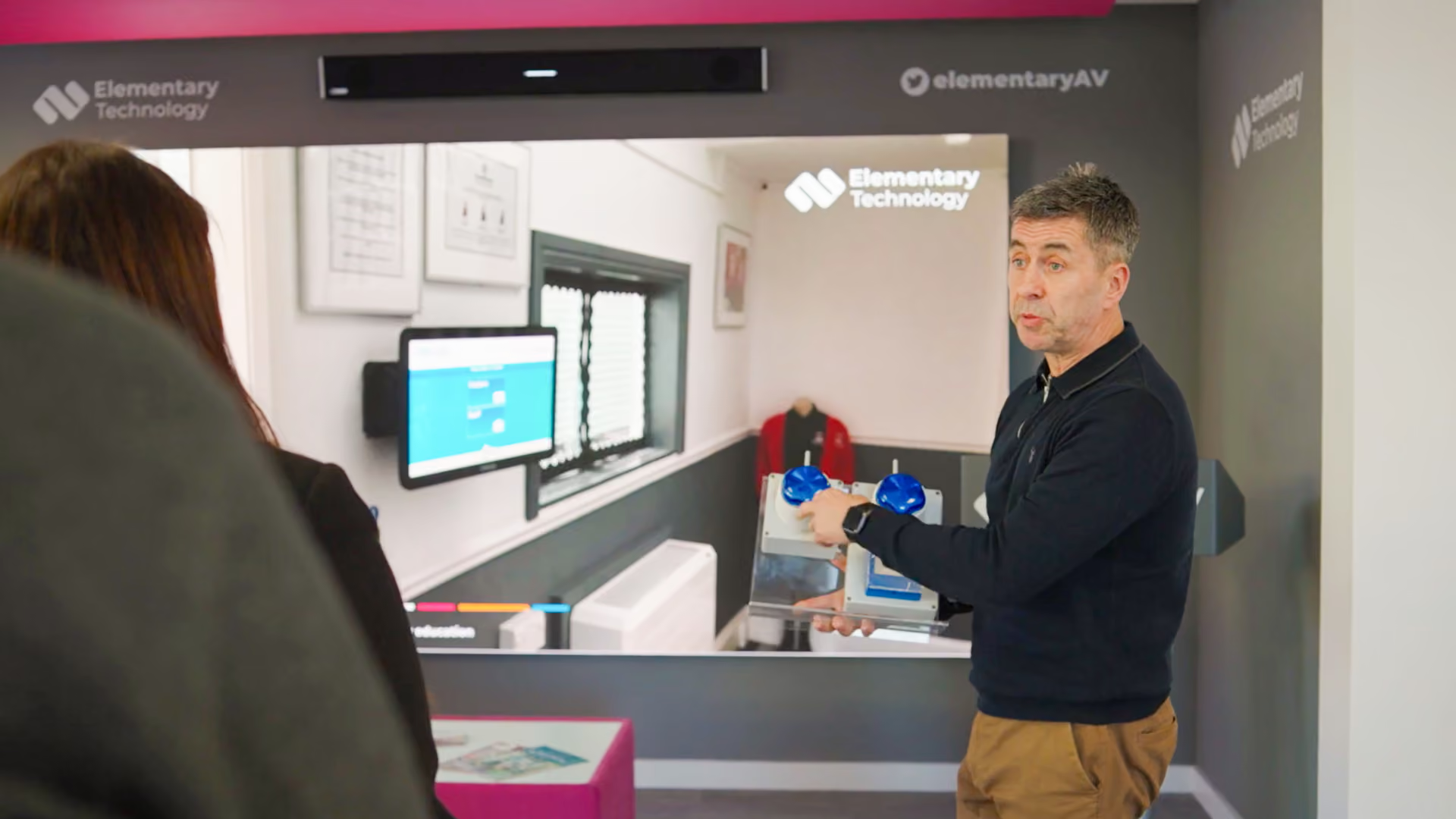
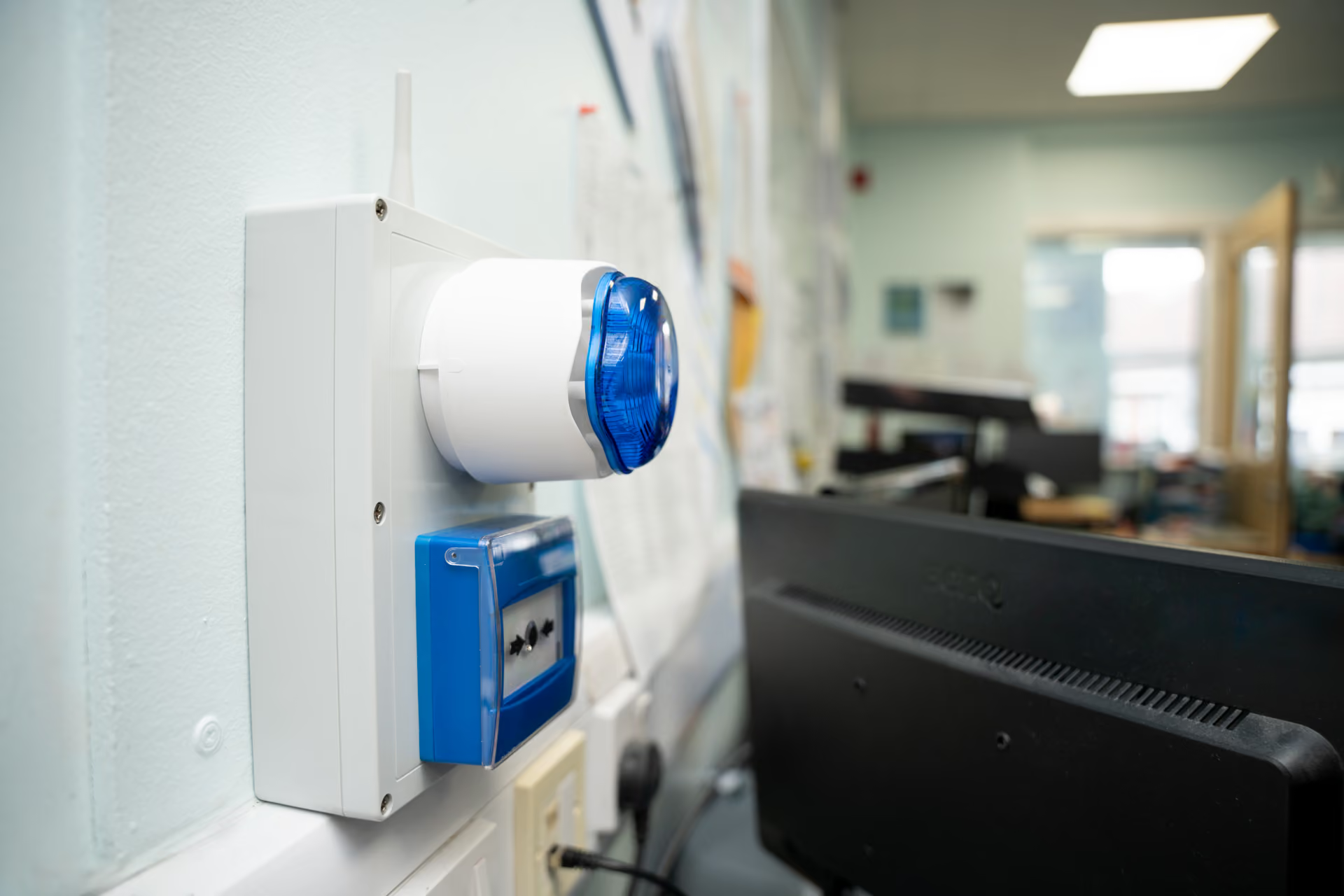
Whether a PA system, a dedicated lockdown alert system, or both, we’ll help you with advice and guidance on implementation of a process, including best practice on testing, drills and policy.

A lockdown system that sits there ready to use should the worst happen. And, if you have a PA section to the system, improved messaging and notification across your site, plus the ability to play lesson change over music leads to calmer corridors, further improving site safety.
How much are your existing displays costing you?
And how much can you save as part of a replacement plan?

Power
How many kWh do you use?

Budget
How much are you spending?

Carbon
What about carbon emissions?
The need for high digital standards for education
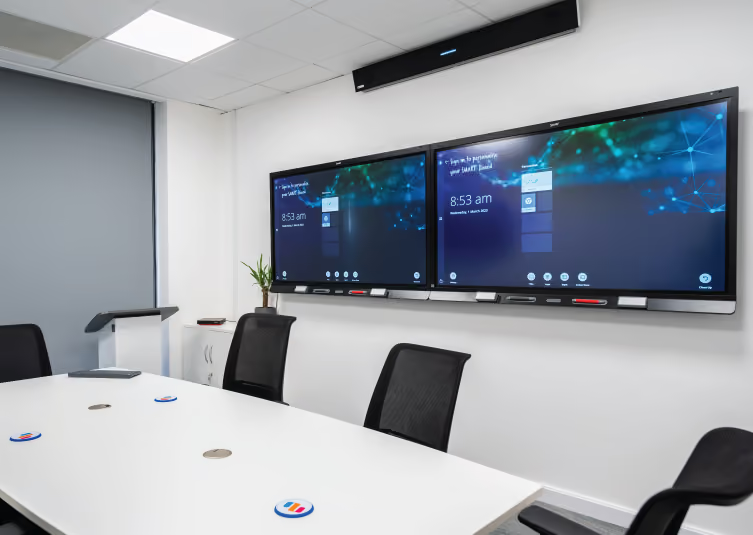
Most schools have moved on from whiteboards and projectors, and for good reason. Pupils can see more clearly, and maintenance, management, specification and whole life cost all favour the modern classroom display. Today's standard is a Wi-Fi connected 4K panel with robust toughened glass, an education warranty and software built for the modern curriculum.
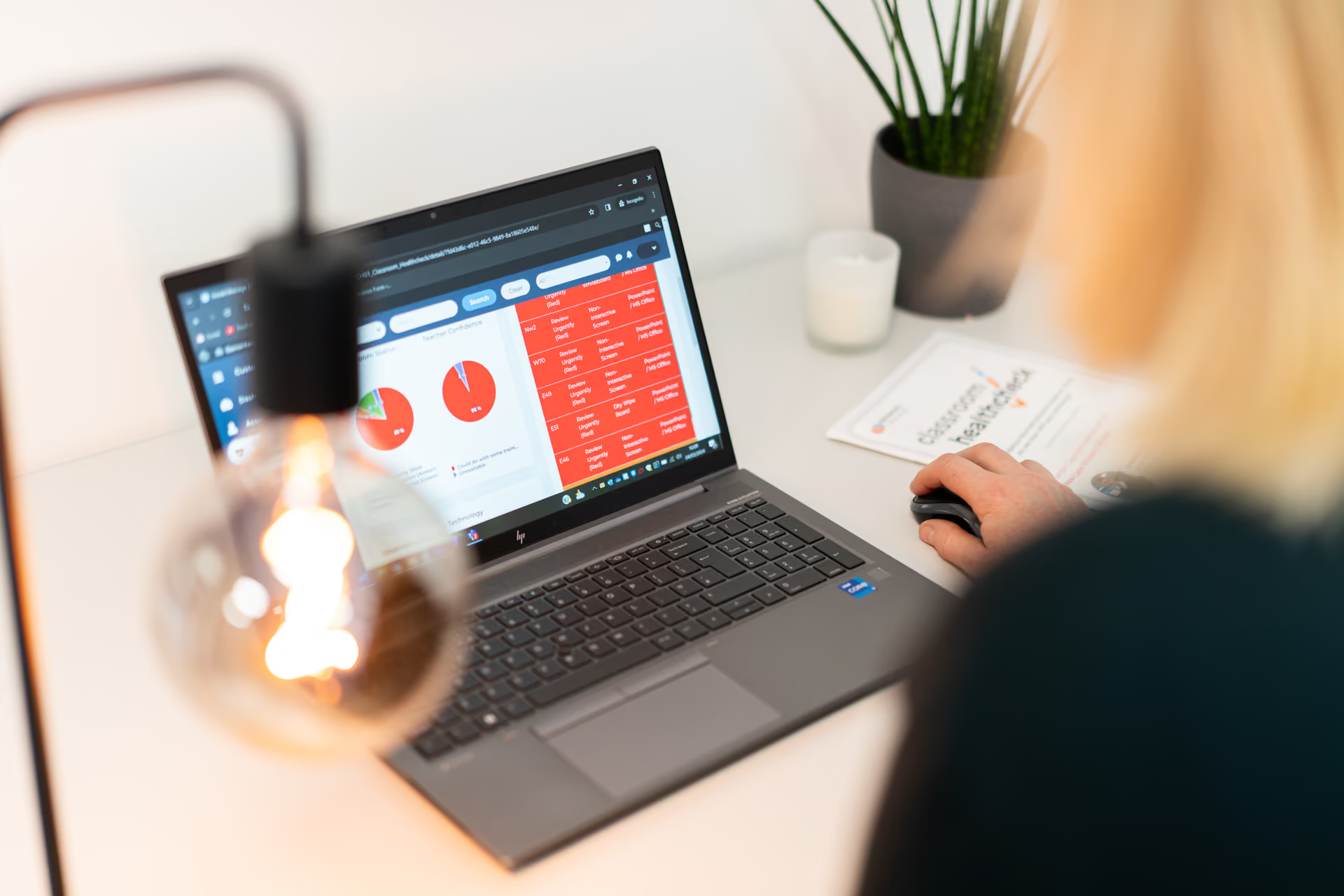
If you still have classrooms with ageing interactive whiteboards and projectors, we can help you bring them up to date. The best place to start is our Classroom Healthcheck®.
Education software and training - the power behind the hardware
Great software changes what teaching and learning looks like. It can reduce workload, adapt learning to each pupil's ability, and support SEND programmes that depend on engagement. We supply and support hundreds of schools with software including Google Workspace for Education, Microsoft for Education, SMART Notebook and Lumio, Promethean, ViewSonic and more. We are always happy to give you a short demonstration.
Read Our Insight highlights why it's essential that schools have this high minimum standard of hardware in the classroom.
Sustainability and energy consumption
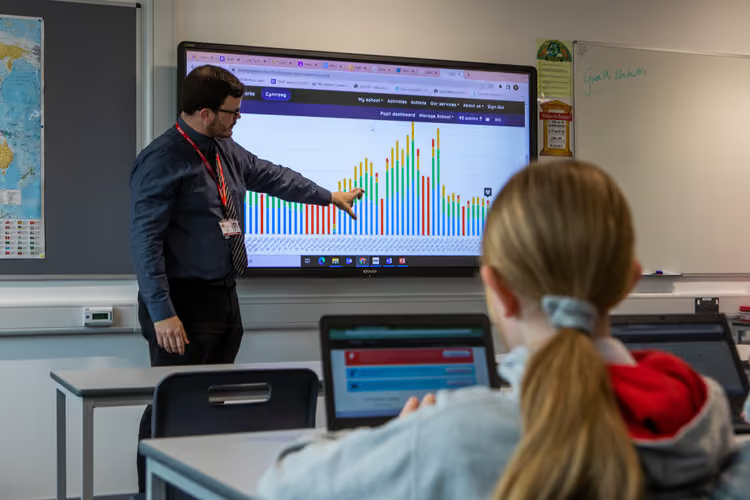
The latest classroom displays often use less than half early interactive displays and projector based whiteboards. That lowers your running costs, reduces your carbon footprint and strengthens your sustainability credentials as a school or trust. On larger projects, we will calculate the energy and cost savings of the proposed upgrade for you, so your decision is backed by real numbers.
1,400 classrooms upgraded across Cardiff, over 5 years
A fixed-term sole supplier contract to support across Cardiff LA, which started with a Classroom Healthcheck across all sites.








Things to consider and guidance before buying
See classroom displays
Size of rooms
The right screen size depends on the room, the viewing angle at the front and how far the back row sits from the board. We’ll help you match the display to the space, so every pupil can see clearly.
Build quality
A classroom display takes a lot of daily use. Look for a 4K panel, robust toughened glass and an education warranty, so it keeps working year after year.
Software and teaching needs
The display is only as useful as what runs on it. Think about the lesson tools your teachers already like and whether the software supports your SEND programmes.
IT management
Remote management lets your IT team install apps, run updates and set switch-off times from a single PC. Check that this is easy to do before you buy.
Training and support
Teachers need time and help to feel confident. We build training and CPD into every project, so the technology is used and not just installed.
Whole life cost and funding
Look beyond the purchase price to energy use, repairs and replacement cycles. We can talk you through capital funding, leasing and other budgeting scenarios.
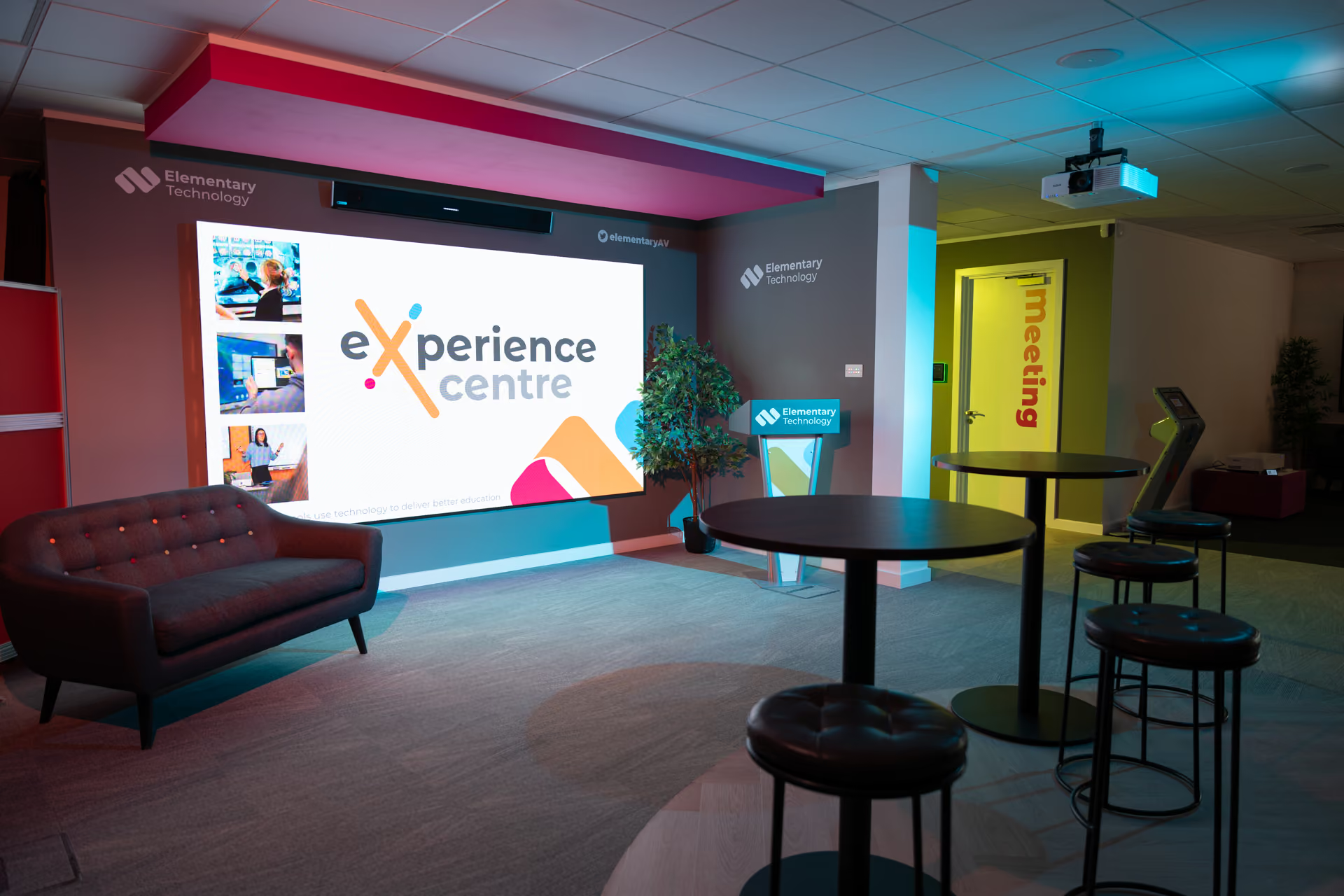
Explore the technology
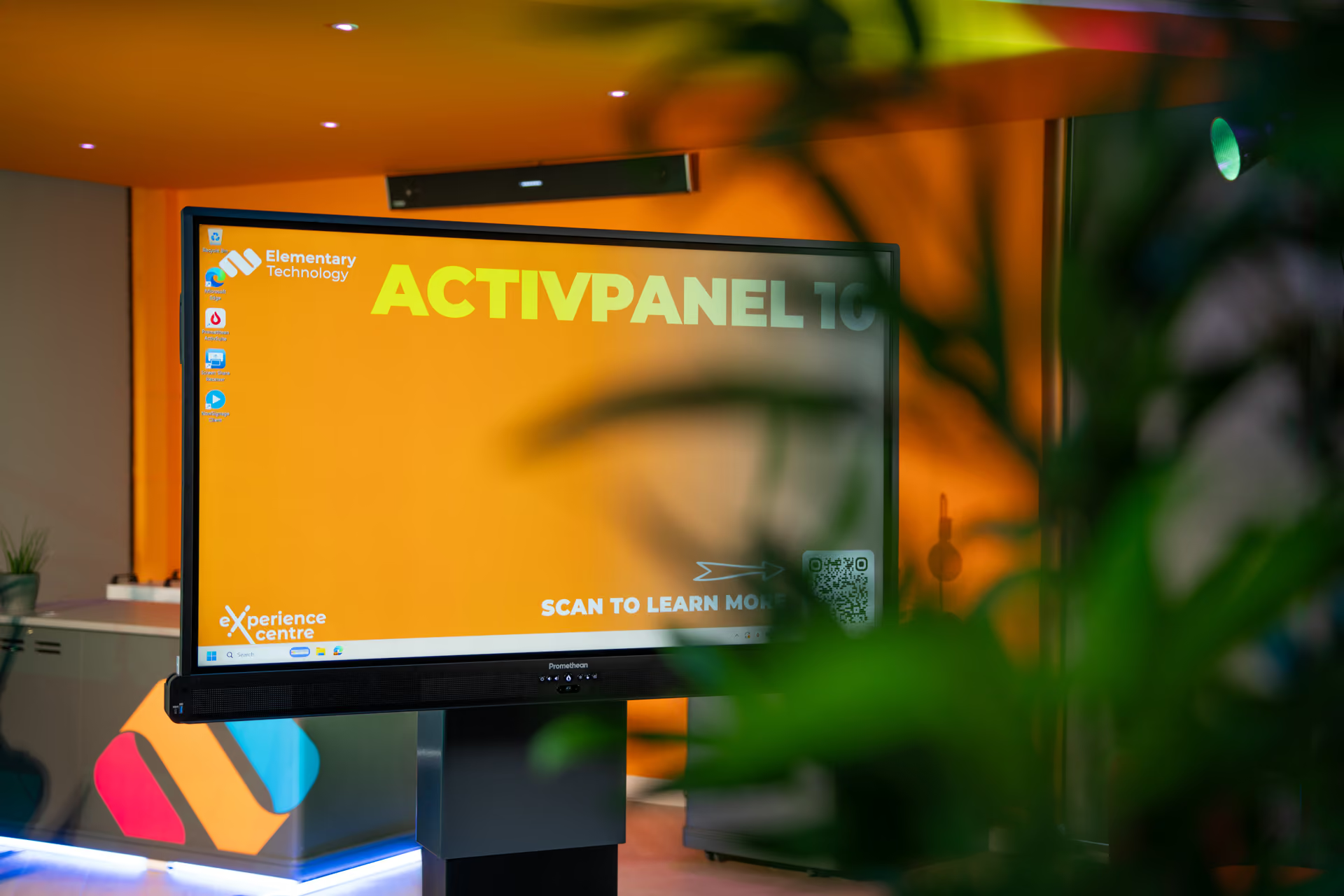
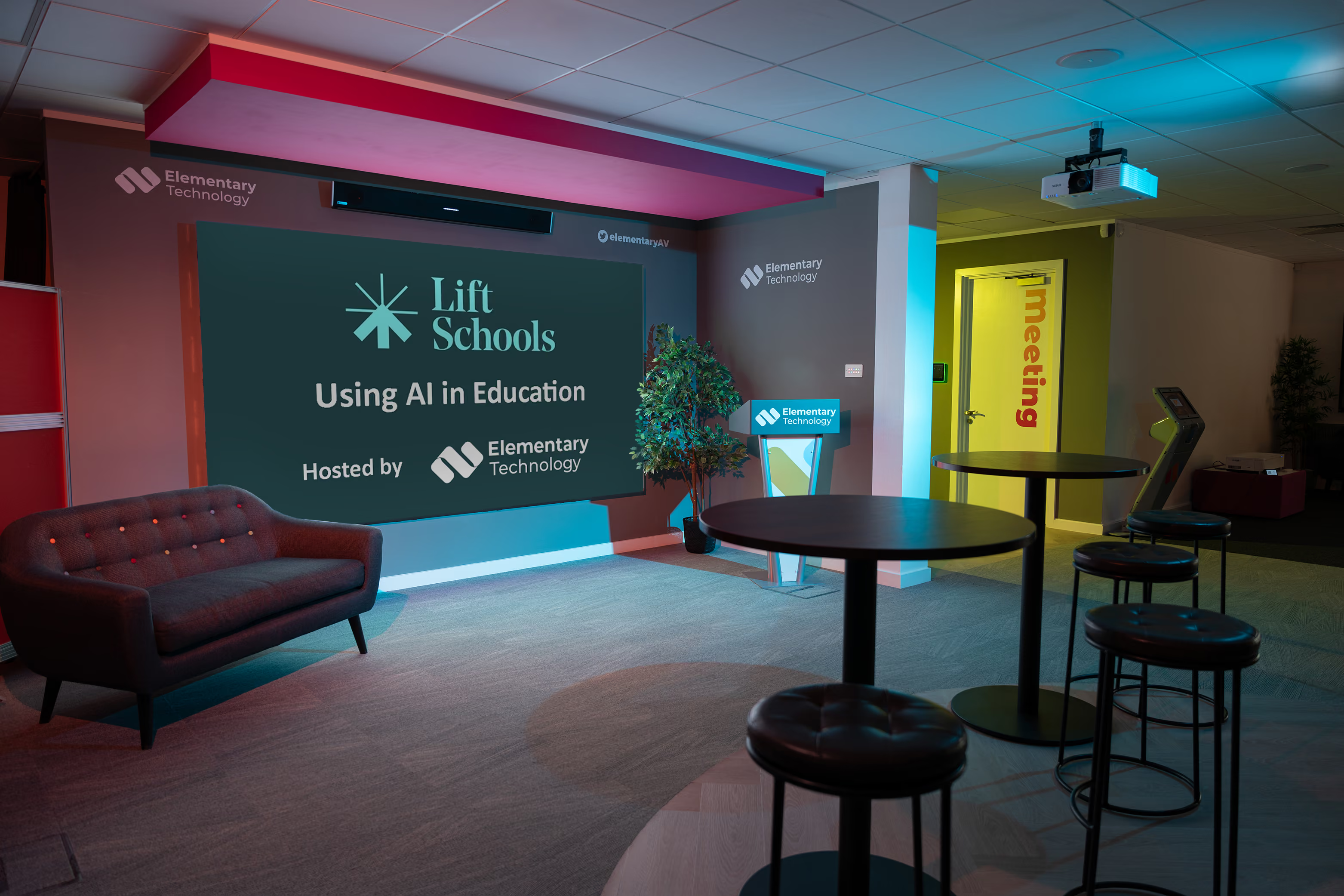
Our Leeds Experience Centre has a varierty of interactive panels from the leading brands. Come down and try them out
Indicative Pricing Guidance
Indicative, per classroom, including mounting, installation and training. Your quote will reflect your rooms and existing kit.
65" panel, installation and peripherals
65" panel, visualiser, software and annual training session
A procurement plan built in partnership
Getting started

Request a Quote
Tell us what you would like to know, and we'll start exploring your options for you.

Schedule a call
Is now not a convenient time for a phone call? Let us know a date and time and we'll call you back.

Call Us
Get in touch now by phone - our team are on hand and ready to answer your questions.
Questions schools ask us
Interactive panels specified for your room sizes, lighting and existing kit — installed and switched on.
Interactive display panels combine touch, multimedia, annotation, and collaboration tools in one device. Teachers can bring lessons to life using videos, images, simulations, and interactive activities that encourage students to actively participate rather than passively observe.
Features such as touch-enabled activities, quizzes, interactive whiteboards, screen sharing, drag-and-drop exercises, and real-time collaboration make it easier for students to contribute ideas and stay involved throughout the lesson.
Yes. Most modern interactive displays support multi-touch technology, allowing several students to write, draw, move objects, or solve problems simultaneously, with the learning displays allowing upto 50 points-of-touch. This encourages teamwork and collaborative learning.
Teachers can save whiteboard notes, annotations, screenshots, and lesson materials directly to cloud storage, USB drives, or school networks. This saves preparation time and enables lessons to be reused or shared with colleagues.
Most interactive displays support Microsoft 365, Google Workspace, web browsers, educational apps, learning platforms, and specialist teaching software. Many displays also include Android-based functionality for running apps directly from the screen, or specialist web-browser content that are available for use. Cloud content is usually available when you log into any panel, and can be shared between other staff members.
Yes. Teachers can write, highlight, draw, and add notes over virtually any content being displayed, helping to focus attention, explain concepts, and personalise lessons. Brand dependant, the annotations are either on an ‘acetate’ layer, that stays on the screen, while some the annotations move with the content, allowing you to keep annotating, without having to clear previous annotations all the time.
Students can work together at the board, share content from their own devices, brainstorm ideas, and participate in group activities. Interactive displays create a more collaborative classroom environment.
Many displays support video conferencing platforms such as Microsoft Teams and GoogleMeet, wireless content sharing, lesson recording, and cloud integration, helping teachers connect in-class and remote learners.
Absolutely. Interactive displays are designed to work with the tools schools already use, allowing teachers to open, edit, present, and interact with existing lesson materials. This allows staff to be more efficient with their time, not having to create content from scratch, but being able to adapt and enhance your current content.
Very easy. Wireless screen sharing allows teachers and students to display content instantly from multiple devices, reducing cable clutter and making transitions between resources much smoother. Some displays allow teach display content to be displaced on pupil devices, give a student a copy for they can work on theirs independently, or allow multiple pupils to share to the board at the same time.
By increasing engagement, participation, collaboration, and access to multimedia learning resources, interactive displays help create more dynamic lessons that support different learning styles and improve classroom experiences.
Our Get Set Go® training is provided as standard for our most popular supplied technology offerings, while tailored training to your requirements can be provided to help and provide understanding for your staff. Training is important to help embed the technology, so it’s benefits can be seen in enhancing student learning.
Interactive displays act as a central hub for digital teaching and learning. They support cloud services, digital resources, collaboration tools, and modern classroom practices that align with long-term technology strategies.
Many displays support screen magnification, text-to-speechfunctionality, annotation tools, colour adjustments, and collaborative features that can benefit learners with additional needs. Or, content can be shared with student devices, allowing a student to use their customised view to aid their learning
Modern displays are designed for straight forward installation and often include remote device management tools that allow IT teams to monitor, update, and manage multiple screens from a central location.
Many displays include user authentication, profile management, network security settings, remote management controls, automatic updates, and integration with existing school security policies. EDLA-certified displays are secured through Google’s architecture, given displays important security updates and Android upgrades for the board’s operational life.
Interactive displays are generally more reliable than projectors because there are no lamps to replace, image quality does not degrade overtime, and there are fewer moving parts requiring maintenance. Most interactive displays are designed to last 50,000 hours or more, providing many years of reliable classroom use.
Interactive displays typically consume less energy than projector-based systems, particularly when considering the ongoing costs of replacement lamps, filters, servicing, and maintenance. Their long lifespan can help reduce total cost of ownership, which usually more than covers the capital cost of purchase for new displays against the running and maintenance costs of using existing older technology.
Yes. Interactive displays can connect to visualisers, PCs, laptops,sound systems, cameras, and learning platforms already in use throughout theschool. Many panels come with a number of different connectivity options toallow other existing kit to be just in conjunction with the panel.
Their long lifespan, reduced maintenance requirements, lower consumable usage, and improved energy efficiency can help schools reduce waste and support environmental objectives.
Unsure? We can help
Discover where you are now, plan where you want to go, and let us help you on your EdTech journey. It all starts with a Classroom Healthcheck®