From Learning to Action
Reflections from the Google for Education Gemini Roadshow


From Learning to Action
Reflections from the Google for Education Gemini Roadshow
Page title goes here
An introductory snippet of the page would go here and wrap like this it would be around this word count.
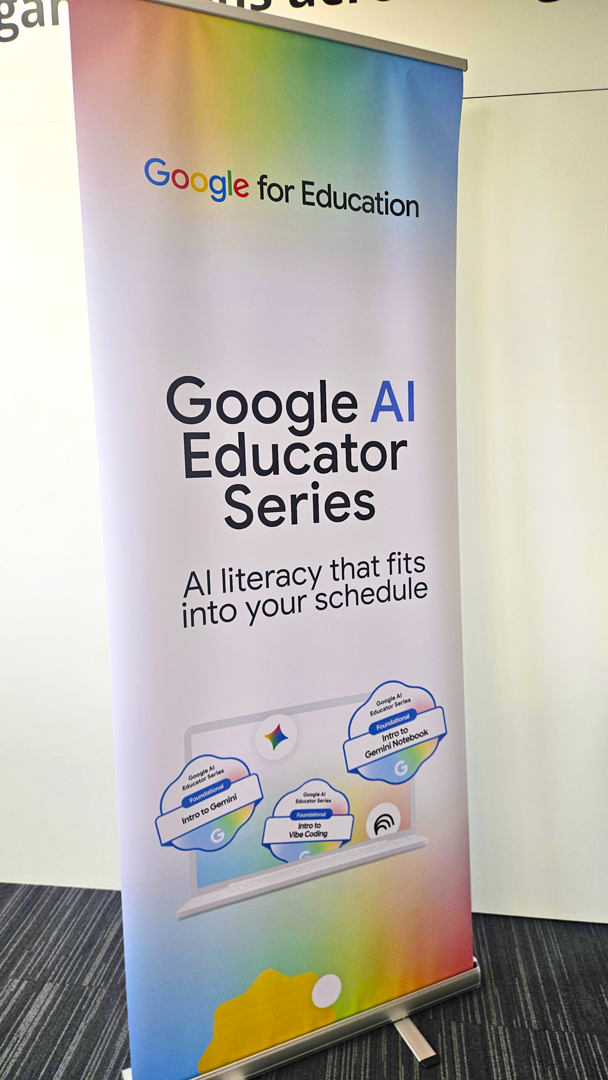
This week, I attended the Google for Education Gemini Roadshow which kicked off in Leeds, exploring how AI can support teaching, learning and inclusion in schools.
One of the things I enjoy most about my role is the opportunity to keep learning. Technology is evolving quickly, particularly in the AI space, and events like this create valuable time to explore new ideas, challenge assumptions and learn directly from those developing and delivering these tools.
I attended sessions on AI and assessment, Gemini Notebook, and using Gemini to support SEND and accessibility. Although each explored a different challenge, the same message ran through them all – choosing approaches that reduce workload for educators while strengthening teaching and creating better learning experiences for all.
It was encouraging to see how tools that many schools already have can help educators create and adapt resources more efficiently, while removing barriers and making learning more accessible. Whether through accessibility features, language support or resource creation, the value is not simply in saving time, but in using that time and technology to support learners more effectively.
The sessions also went beyond learning how to use individual tools. They explored the wider skills educators and students need to become AI ready - core AI concepts, critical thinking, responsible use and the importance of keeping ‘the human in the loop’ – grounded in practical experience with Gemini and Gemini Notebook. This made the connection between informed AI use, reduced workload and better teaching and learning much clearer.
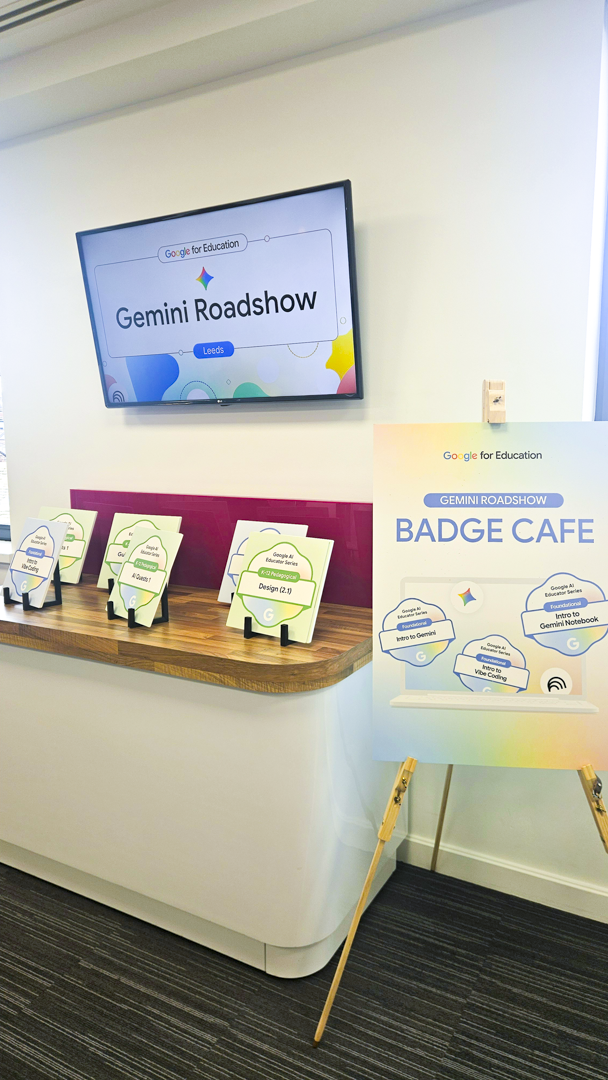
The day also included time in the Badge Café, where I completed more of the Google AI Educator Series micro-credentials. Working through the content gave me the opportunity to explore the tools for myself, think critically about where they add value and build the confidence to share that learning with schools in a practical and responsible way.
For me, this is about more than keeping up with new features. Schools are already managing significant demands, and even powerful tools can remain underused when educators have not had the time or opportunity to explore them fully. Good training helps to close that gap, giving staff the confidence and practical understanding to use the technology in ways that work for their setting, their workload and their learners.
By investing time in learning, testing and understanding how these tools can be used critically and responsibly, Elementary Technology can help schools make informed decisions and get more from the technology they already have. When our training helps someone save time, improve accessibility or create a better learning experience, that learning has made a worthwhile difference. Teachers and schools are already under pressure, so part of our role is to do the exploring, testing and sense-checking, then turn it into practical training that helps them move forward with confidence and keep their focus where it matters most – creating better experiences and outcomes for learners.
Frequently Asked Questions
Date: 6th October 2026
Written by Christine Mayers
Head of Education & Training, Elementary Technology
Email: c.mayers@elementaryuk.com
LinkedIn: http://www.linkedin.com/in/christine-mayers-1647b7296
Related insights