























PA & Lockdown Systems
Reach everyone on your site, clearly and instantly, when it matters most and every day in between.
Explore
How a good PA and Lockdown system helps
Faster, clearer communication - Reach every classroom, corridor and outdoor space at once, so the first few seconds of anincident are used well
Support for Martyn's Law and DfE guidance - A procedure only works if you can tell everyone to follow it, and rehearsing lockdown, invacuation and evacuation becomes far more realistic.
Value every day, not just in an emergency - The same system can run bells, announcements and corridor music at break time, so it earns its place long before you need it for lockdown.
Students and staff who know what to do - Spoken messages make it clear what is happening and whereto go, whether it is a drill, a fire alarm or a change of lesson.
Independent advice on the right fit - We help you choose between a full PA, a dedicated lockdown system or screen alerts, then support you with policy, testing and drills.
Explore a Lockdown Readiness Review
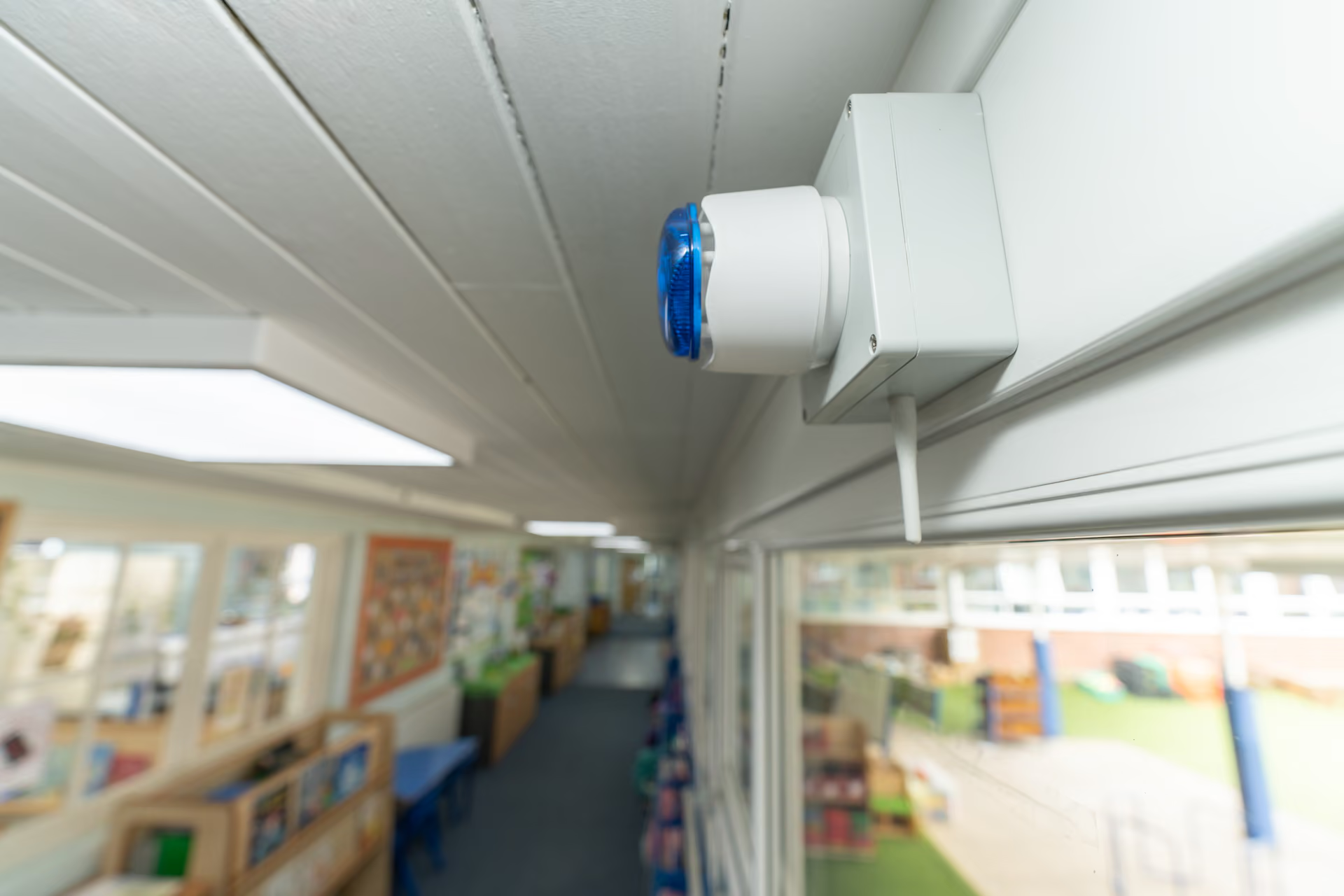
What can lead to Lockdown?
Signs it’s time to review
Recognise any of these? A Lockdown Readiness Review can help you plan your next steps.
The importance of Lockdown Readiness
When something goes wrong on a school site, the first few seconds shape how well everyone responds. A reliable PA and site communication system lets you reach every classroom, corridor and playground at once. Lockdown is the most urgent reason to have one.
The same system also runs your bells, announcements and even plays music in the corridor during break time - it earns its place, every day.
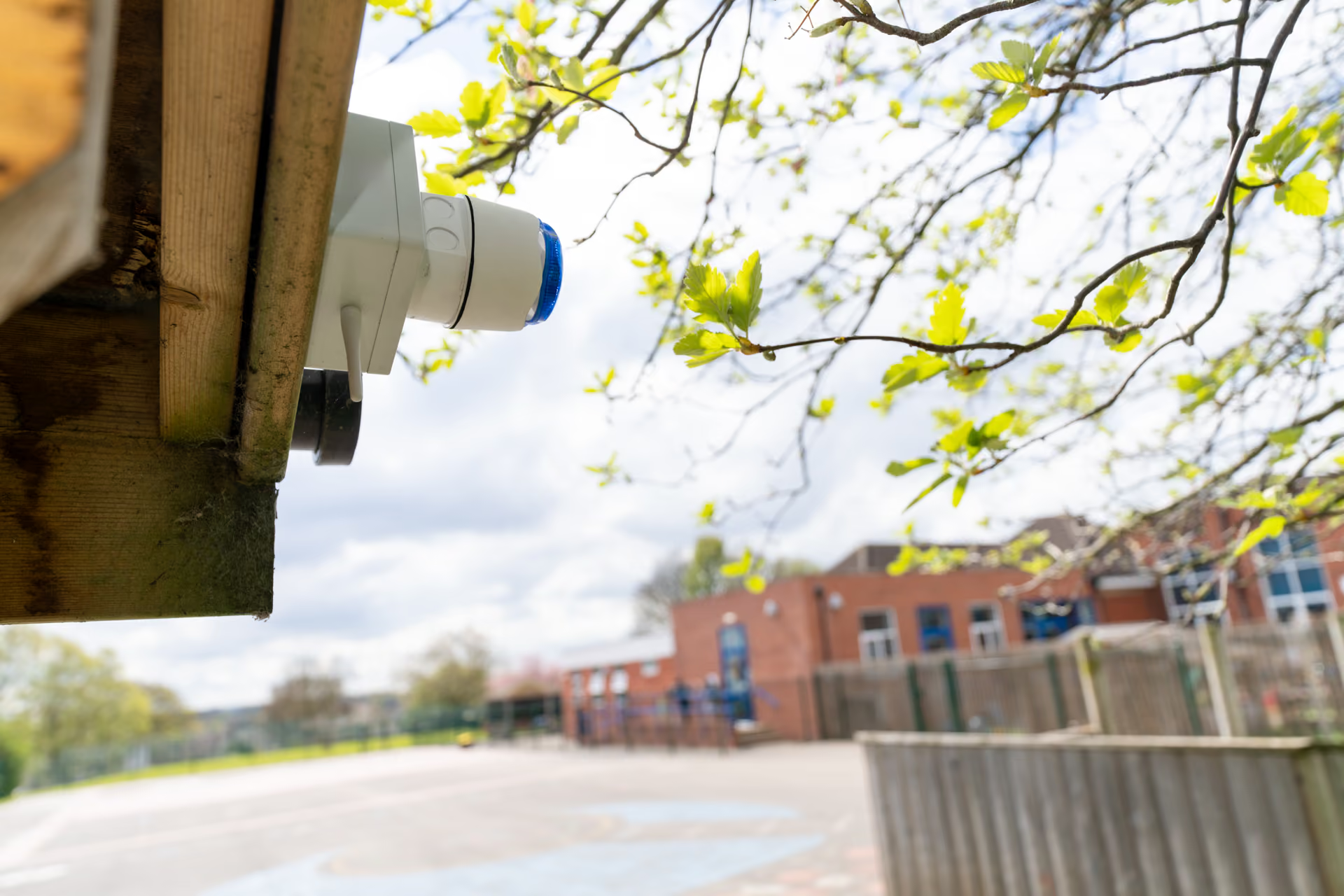
A full PA system isn’t always appropriate of course; smaller sites may need one dedicated to lockdown, others want to cover a large outdoor area and where budget is particular, some may choose the more limited screen-alert visual system only.
As an independent supplier, we’ll help you choose.
Lockdown - what schools are expected to do
The DfE's protective security guidance already expects schools toplan for lockdown, invacuation and evacuation, and to rehearse them. Martyn's Law adds a legal duty for every school, with enforcement expected from spring 2027. It asks for working procedures rather than a particular product, but a procedure only works if you can tell everyoneto follow it.
A Lockdown Readiness Review
How ready are you if you need to trigger a lockdown?
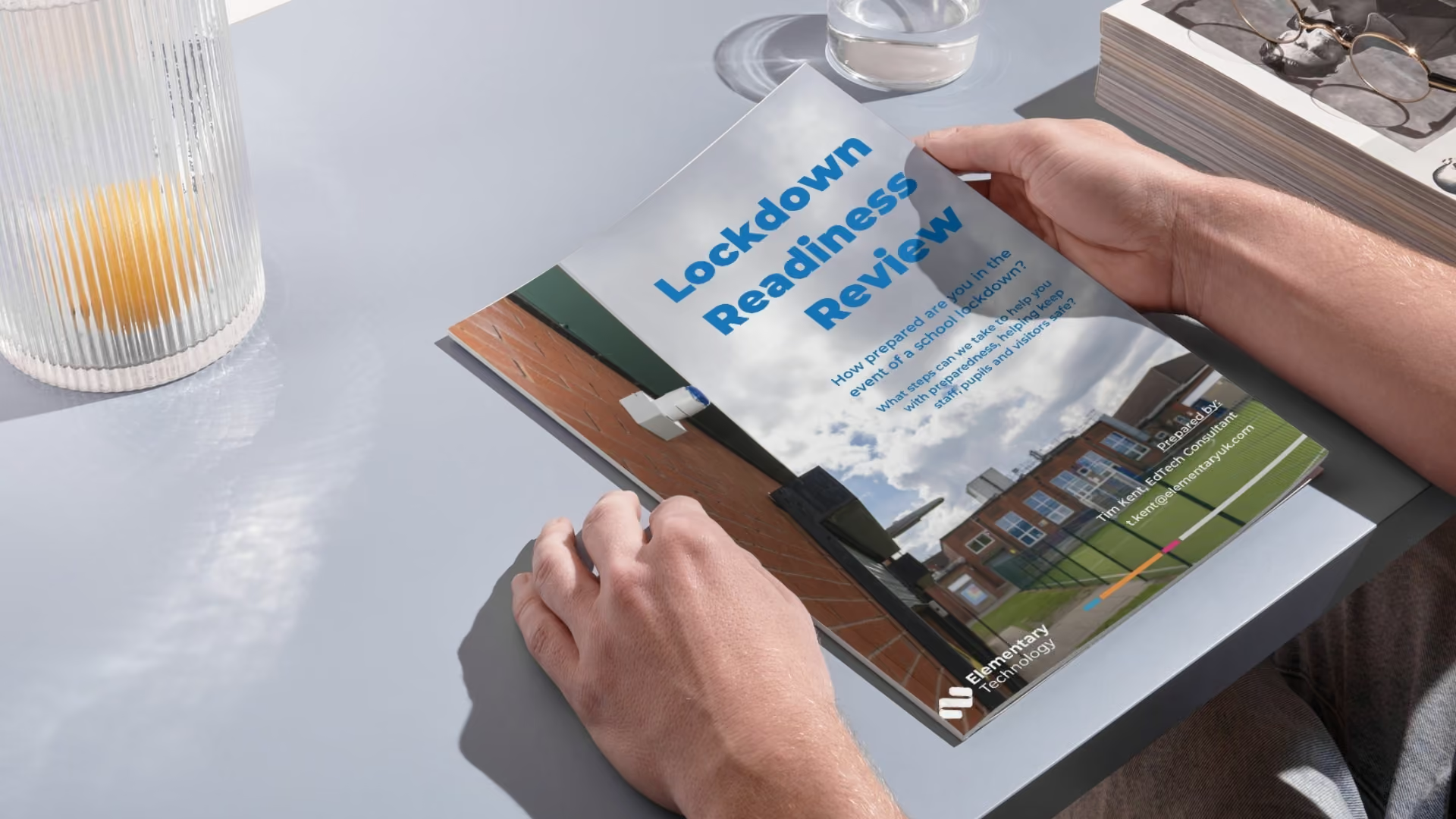
Policy
Do you have the correct, compliant documentation in place?

Process
Who is responsible and is it all up to date?
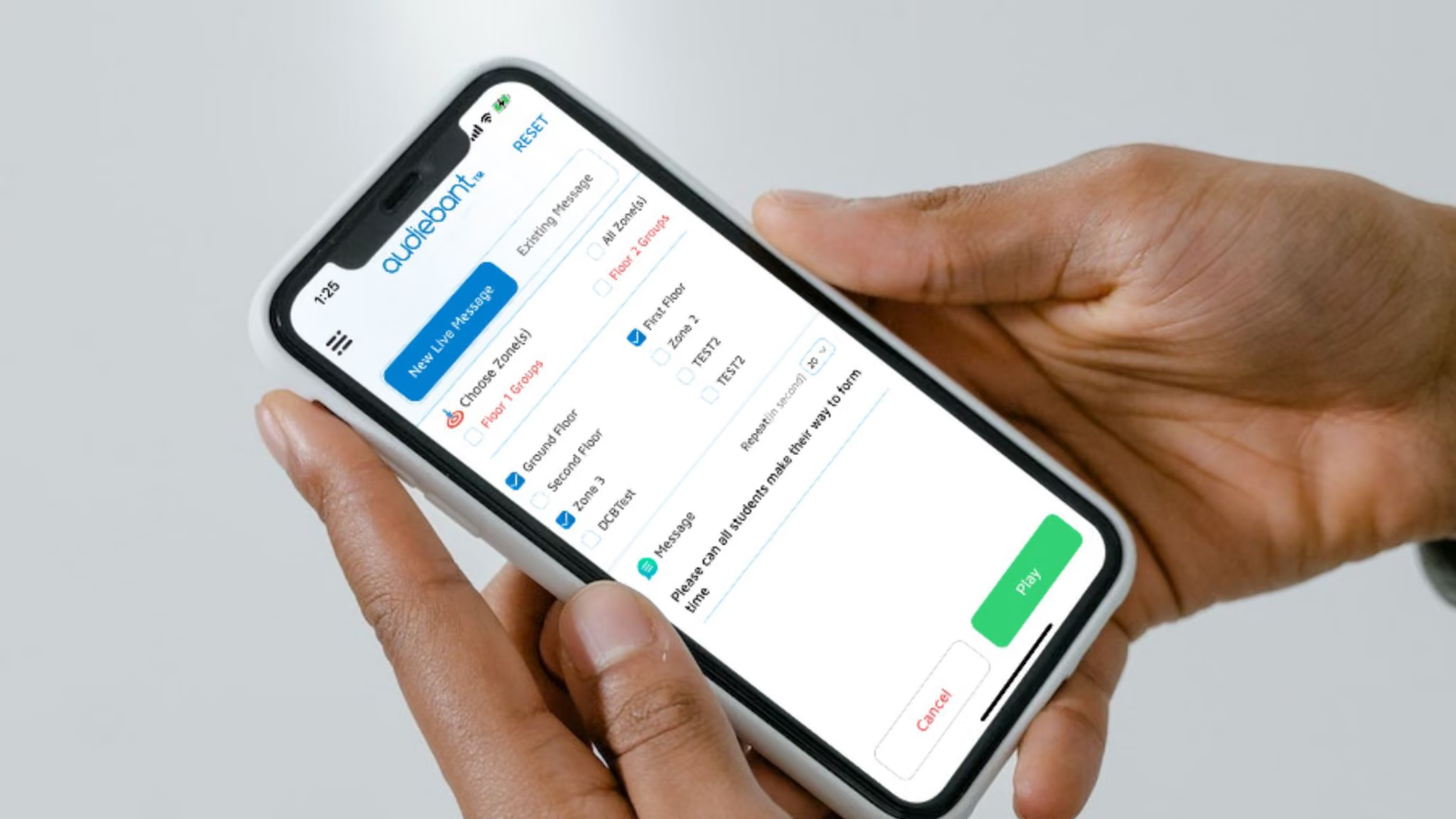
Infrastructure
How do you alert your site, keep people up to date and keep a record?
Our evidence -informed roadmap
We have supplied dozens of schools, from small primary schools to whole-trust projects, and we have worked with schools since 2003.

We listen first. We start with your site, your requirements and your budget.
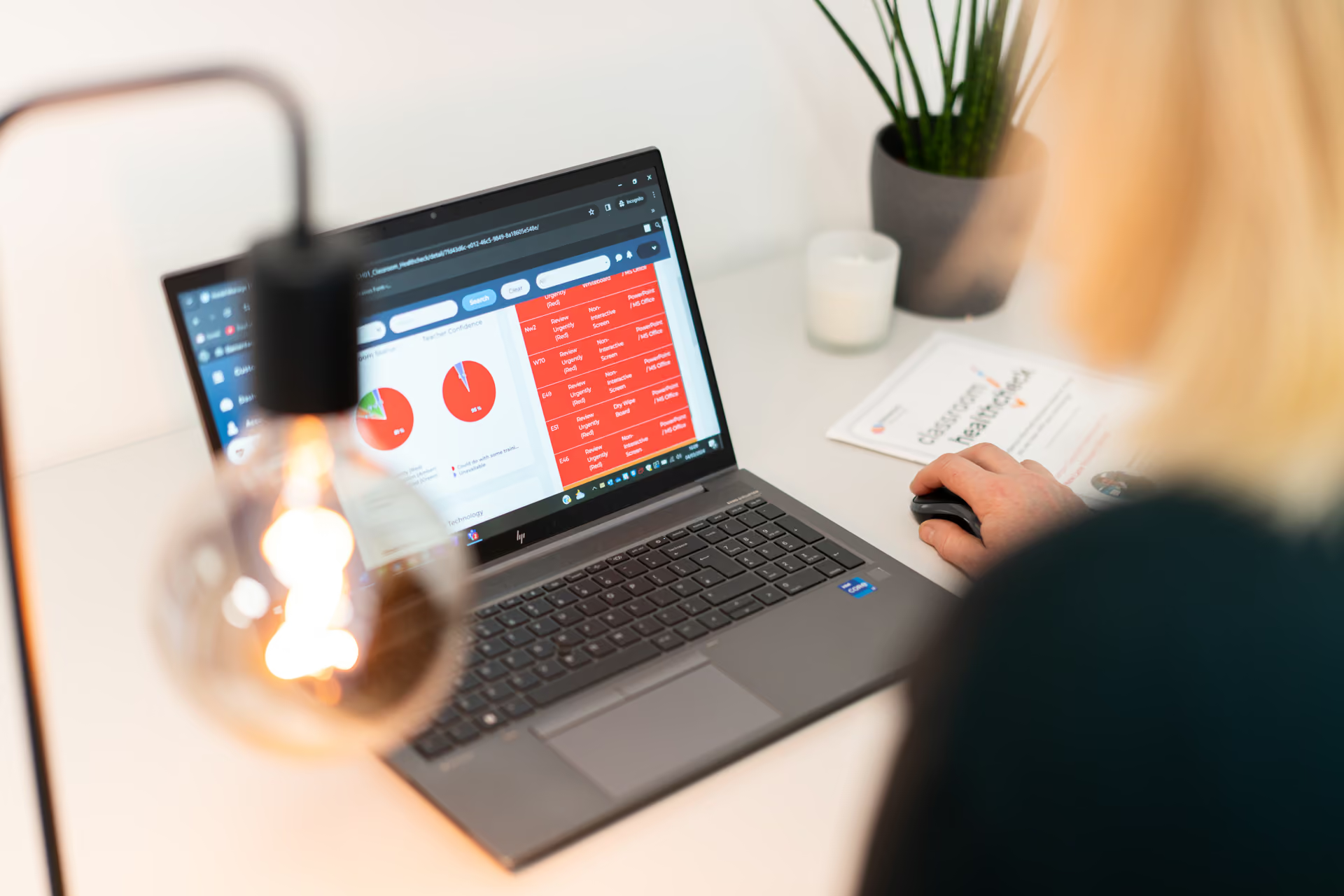
You see the optionsand cost early. An indicative cost comes before any commitment.
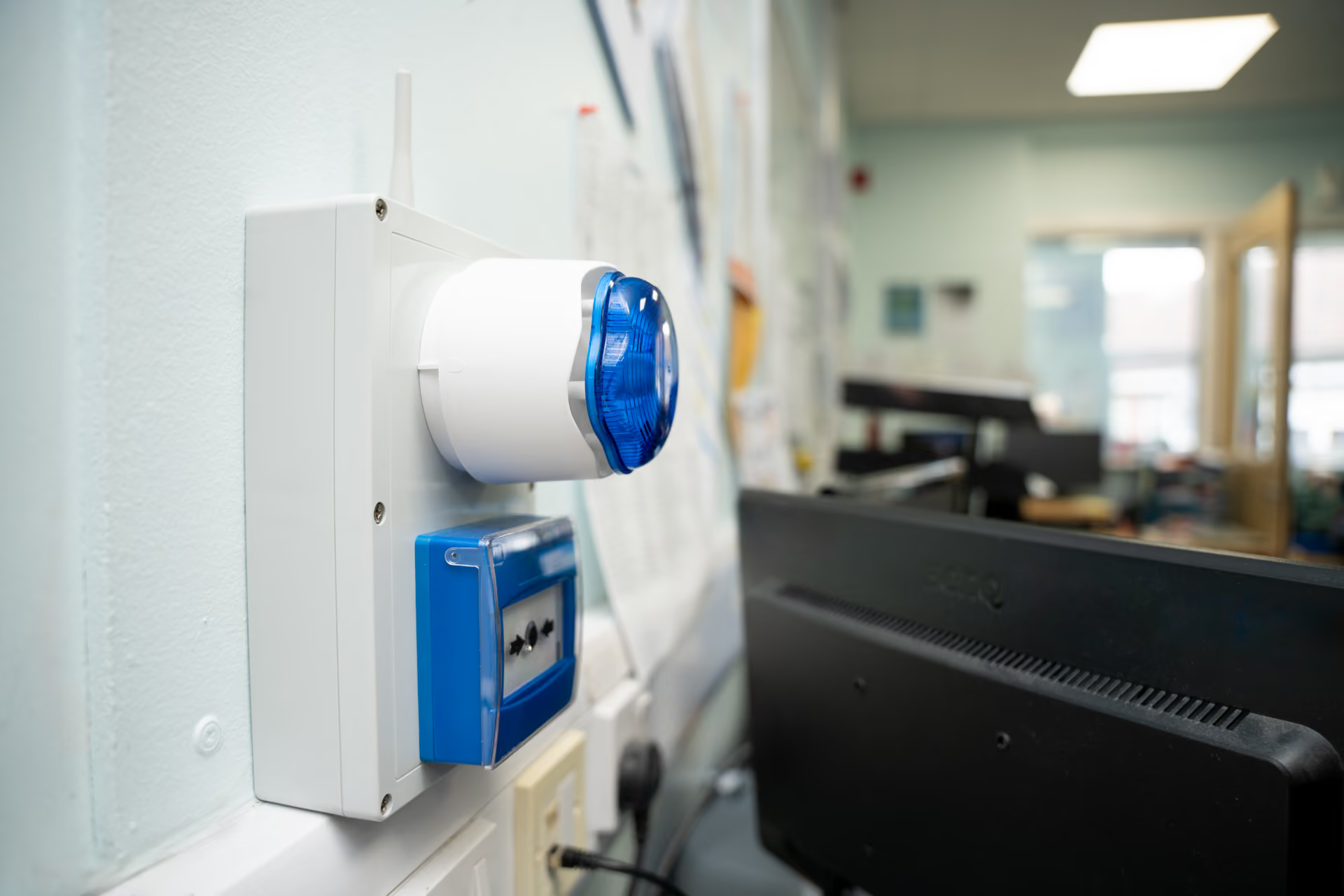
We visit your site. That is how we get the design and installation right first time. We install, support and advise. That includes professional advice on lockdown policy, Martyn's Law and DfE requirements.
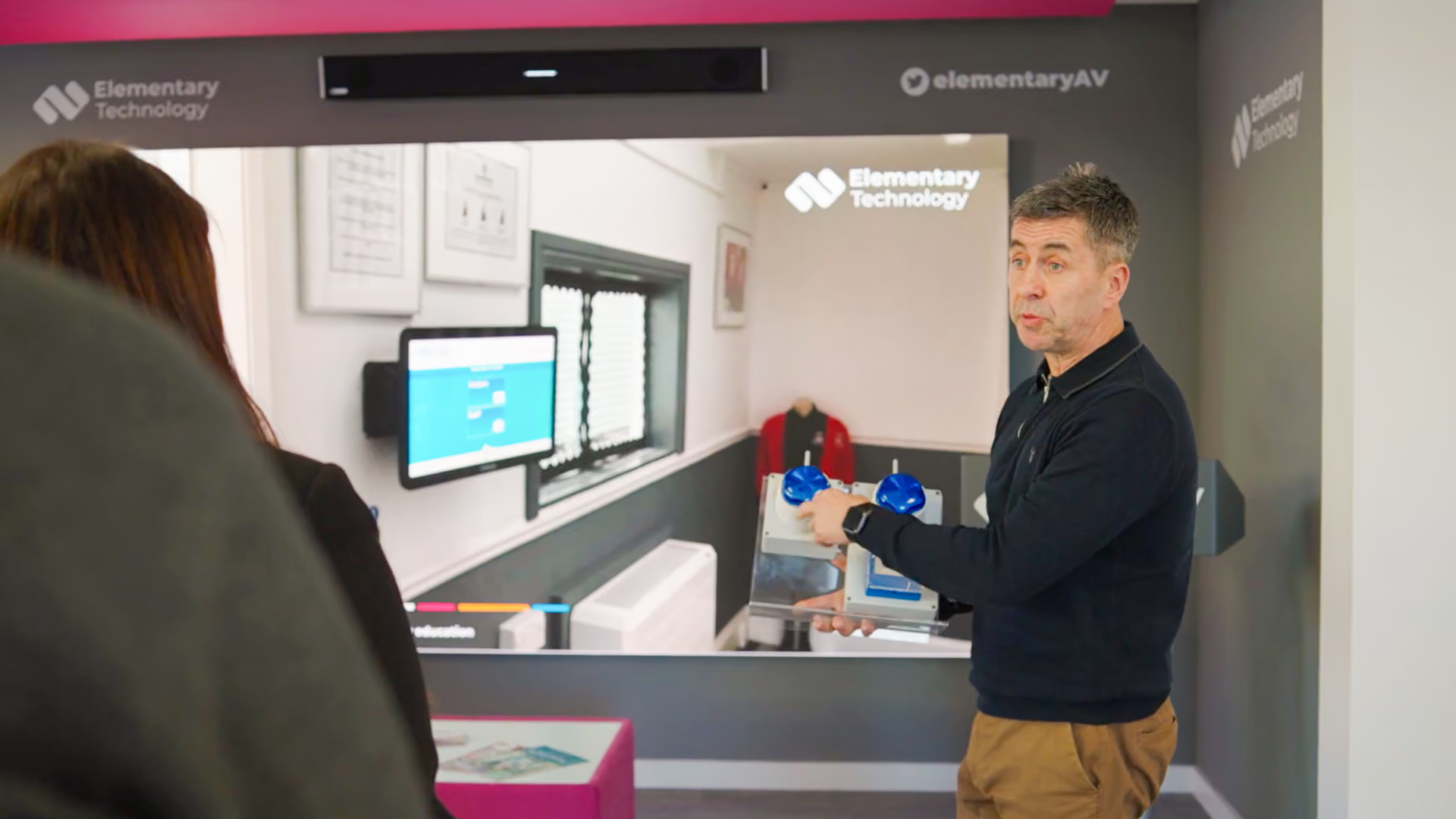
Whether a PA system, a dedicated lockdown alert system, or both, we’ll help you with advice and guidance on implementation of a process, including best practice on testing, drills and policy.

A lockdown system that sits there ready to use should the worst happen. And, if you have a PA section to the system, improved messaging and notification across your site, plus the ability to play lesson change over music leads to calmer corridors, further improving site safety.
Independent supplier of the leading systems
We are not tied to a single vendor. We supply a range of leading PA, lockdown and site communication systems, and we recommend the one that suits your site, your staff and your budget. A selection of lockdown systems are given below:

Replacing an ageing bell system
Late to lesson marks are down. The same system runs fire and intruder drills and parents’ evenings, and spoken messages keep students clear about what to do and where to go.
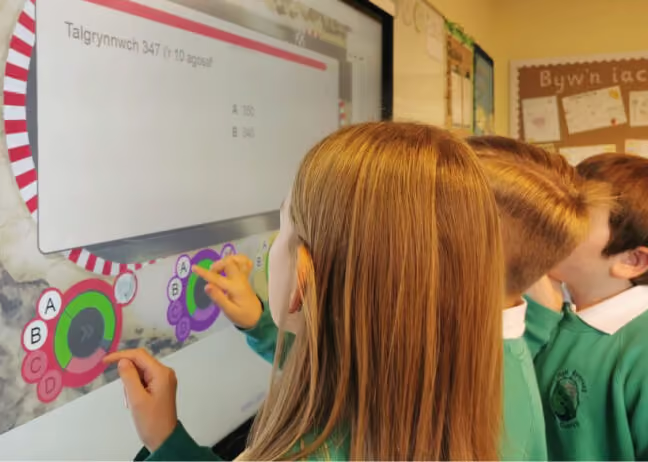






Indicative Pricing Guidance
An approximate price guide, customisable to your specific needs and requirements. Capital cost and leasing options are available on all systems. Start with a Lockdown Readiness Review.
Small Primary School, Visual and Audio Alerts
Single site school, PA Audio infrastructure, indoor and outside, with visuals.
A procurement plan built in partnership
Getting started

Request a Quote
Tell us what you would like to know, and we'll start exploring your options for you.

Schedule a call
Is now not a convenient time for a phone call? Let us know a date and time and we'll call you back.

Call Us
Get in touch now by phone - our team are on hand and ready to answer your questions.
Two of several solutions
Meet LOCAS
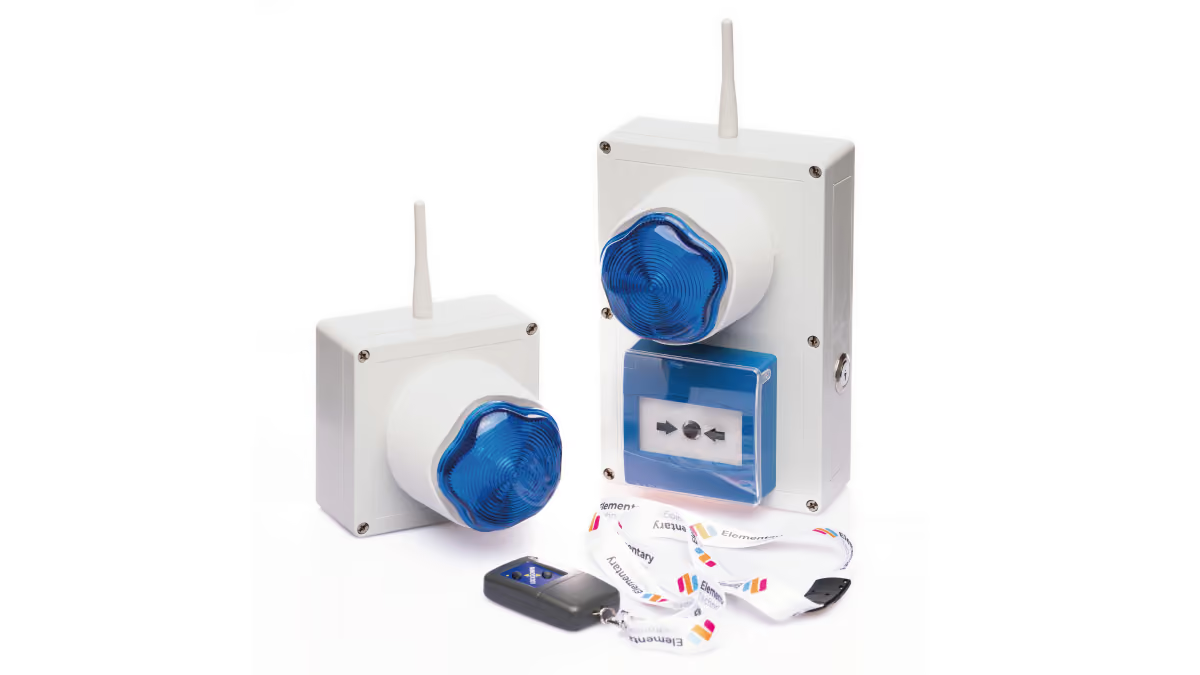
Designed for smaller sites, LOCAS is a lockdown and invacuation system offering quick and clear alerts.
Meet Audiebant
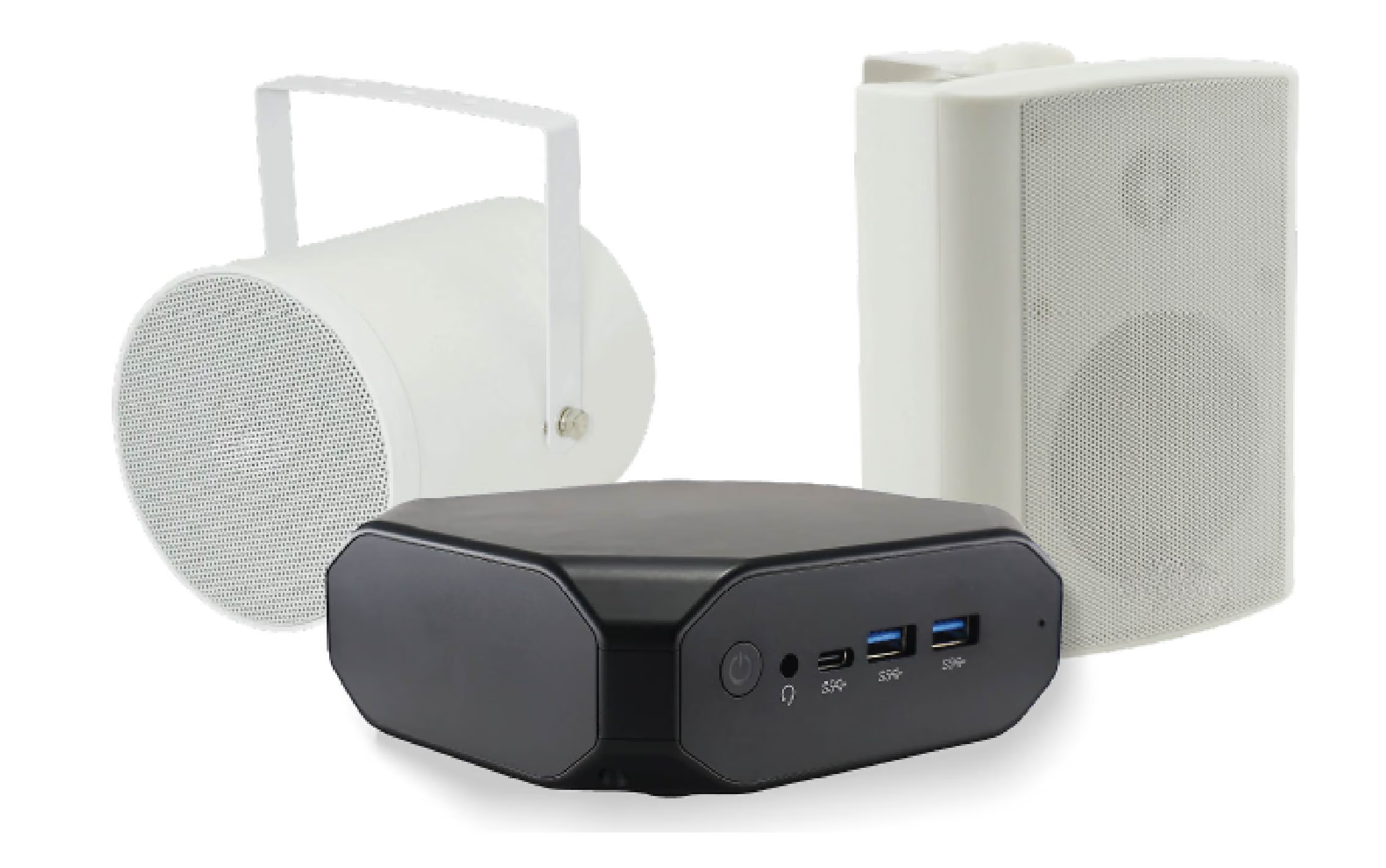
Designed for larger sites and trust-wide messaging, Audiebant provides control over your alert systems.
Questions schools ask us
Common questions for exploring PA & Lockdown systems.
A lockdown system is a communication and emergency response solution that allows an organisation to instantly alert staff, pupils, visitors or occupants to a security threat. Modern systems can deliver clear instructions through audio announcements, visual alerts, mobile notifications and zoned messaging rather than relying on a single alarm sound.
Schools have a duty to protect pupils, staff and visitors. A lockdown system enables rapid communication during safeguarding incidents, security threats, medical emergencies or external risks, helping everyone respond appropriately and safely.
Traditional bells and alarms typically communicate only one message. Modern lockdown systems can provide voice instructions, visual notifications and mobile alerts, reducing confusion and helping people understand exactly what action they need to take.
An evacuation moves people out of a building to a place of safety when the danger is inside the premises, such as a fire. An invacuation brings people inside and secures the building when the threat is outside, such as suspicious activity nearby or a community incident. Modern lockdown systems can support both procedures instantly.
Lockdowns may be required for intruders, violent incidents, suspicious individuals, nearby police activity, terrorism-related concerns, safeguarding risks, dangerous animals, severe local emergencies or other situations where movement needs to be controlled quickly. Some triggers could be generic between sites, some might be unique to your local circumstances. Click the button below to view some lockdown examples at the bottom of the insight.
People make better decisions when they receive clear instructions. Voice messages and targeted alerts help occupants understand whether they should lockdown, invacuate, evacuate or remain where they are, reducing panic and improving response times.
The most effective systems use multiple communication methods simultaneously. Audio announcements ensure messages are heard, visual alerts support those in noisy environments or with hearing impairments, and mobile alerts reach staff wherever they are on or off site. Some alerts might need customising, so if you have a specialist SEND provision where an audio alert could be upsetting, visuals and message alerts still communicate with staff so they can act quickly according to your policy, while keeping distress to pupils as minimalised as much as possible.
Many organisations use different alerts for different threat levels, including invacuation alerts, full lockdown alerts, evacuation messages, shelter-in-place instructions and all-clear notifications. Each alert delivers specific guidance appropriate to the incident.
Combining public address and lockdown functionality creates a single communication platform for both everyday operations and emergency situations. Staff only need to learn one system, announcements can be delivered instantly across the site, and organisations can communicate clearly whether responding to a safeguarding incident, welcoming visitors or managing daily activities.
Zoning allows emergency messages to be sent to specific buildings, blocks, playgrounds or areas rather than the entire site. This helps organisations provide accurate instructions based on where the threat exists and where people are located.
A lockdown system forms part of a wider safeguarding strategy by enabling staff to respond quickly to security concerns, communicate consistently and coordinate actions across the whole site during incidents.
Martyn's Law is designed to improve preparedness for terrorist incidents in publicly accessible locations. Organisations are expected to consider risks, improve preparedness and implement proportionate response measures, making effective emergency communication increasingly important
Yes. While compliance involves multiple elements, a lockdown system can support preparedness by enabling rapid communication, coordinated response procedures and clear instructions during security incidents, which aligns with key principles of emergency planning.
A modern PA system is used every day to communicate with staff, pupils and visitors. Schools can use it for assemblies, timetable changes, visitor announcements, end-of-day notifications, safeguarding messages, break and lunch reminders, and general operational communications. This helps maximise the value of the investment while ensuring the system is familiar to users when an emergency occurs.
Modern systems can typically be activated in seconds by authorised users, allowing immediate communication across an entire site or selected areas when every moment matters.
Yes. Visual screen-based alerts and mobile notifications help ensure emergency messages are accessible to people who may not hear audio announcements or alarms.
Many modern systems include mobile notifications that can be delivered to smartphones, helping communicate with staff who are off site, travelling between locations or working remotely.
Yes. A site-wide communication system helps schools share important information quickly and consistently without relying on emails, runners or phone calls. Messages can be targeted to specific buildings, year groups or departments, helping leaders save time and improve operational efficiency.
They provide a consistent, rehearsable process for communicating during incidents. Combined with training, drills and clear procedures, they help organisations respond more confidently and effectively when faced with a real threat
Schools should consider ease of activation, audio quality, visual alert capability, mobile notifications, zoning functionality, compliance support, reliability, scalability and ongoing training and support. The best solutions combine clear communication with practical safeguarding requirements.
Unsure? We can help
Our Lockdown specialists can help you explore options suited to your site.
Discover where you are now, plan where you want to go, and let us help you on your EdTech journey. It all starts with a Lockdown Readiness Review.